Author: Sriraj Mohan
UI/UX Designer
AI in Product Design: What UI/UX Designers Must Learn in 2026
AI in Product Design: What UI/UX Designers Must Learn in 2026
AI in Product Design: What UI/UX Designers Must Learn in 2026
Artificial intelligence is rapidly transforming product design workflows. Tools like Claude MCP servers and AI agents such as OpenClaw are changing how designers create interfaces, build design systems, and interact with tools like Figma. This article explores the skills UI/UX designers must learn to stay relevant in 2026 as AI begins generating layouts, UI kits, and scalable design systems in seconds.
Artificial intelligence is rapidly transforming product design workflows. Tools like Claude MCP servers and AI agents such as OpenClaw are changing how designers create interfaces, build design systems, and interact with tools like Figma. This article explores the skills UI/UX designers must learn to stay relevant in 2026 as AI begins generating layouts, UI kits, and scalable design systems in seconds.
Artificial intelligence is rapidly transforming product design workflows. Tools like Claude MCP servers and AI agents such as OpenClaw are changing how designers create interfaces, build design systems, and interact with tools like Figma. This article explores the skills UI/UX designers must learn to stay relevant in 2026 as AI begins generating layouts, UI kits, and scalable design systems in seconds.
ai is changing how designers build product interfaces
ai is changing how designers build product interfaces
Product design workflows are evolving as artificial intelligence becomes more integrated into design tools. Traditionally, UI designers manually created layouts, defined spacing systems, and constructed component libraries one element at a time. This process required careful setup of typography scales, grid systems, color tokens, and reusable components.
AI-assisted design tools are changing this process by allowing designers to generate interface structures much faster. Instead of manually constructing every UI element, designers can now describe the structure of a design system and allow AI to generate layouts and component libraries automatically.
This shift moves the designer’s role away from repetitive production work toward defining design logic, system rules, and usability structure.
Product design workflows are evolving as artificial intelligence becomes more integrated into design tools. Traditionally, UI designers manually created layouts, defined spacing systems, and constructed component libraries one element at a time. This process required careful setup of typography scales, grid systems, color tokens, and reusable components.
AI-assisted design tools are changing this process by allowing designers to generate interface structures much faster. Instead of manually constructing every UI element, designers can now describe the structure of a design system and allow AI to generate layouts and component libraries automatically.
This shift moves the designer’s role away from repetitive production work toward defining design logic, system rules, and usability structure.
how claude mcp servers can generate design systems and ui kits instantly
how claude mcp servers can generate design systems and ui kits instantly
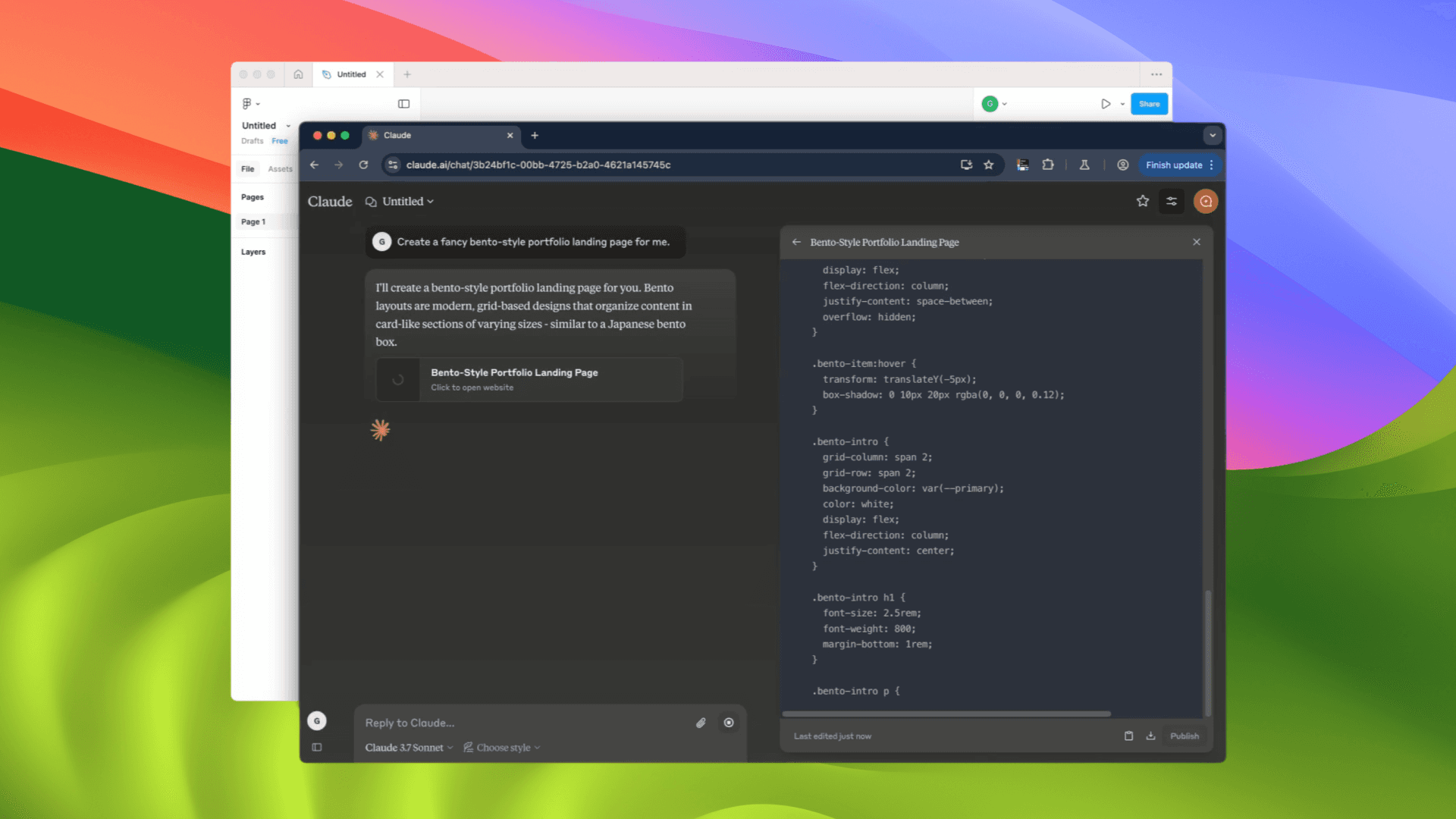
Claude MCP servers represent a new approach to AI-assisted product design. Through structured prompts and connected design tools, an AI agent powered by Claude can interact with Figma in real time to generate complex interface structures.
Designers can describe a design system using prompts that define spacing rules, typography hierarchy, color tokens, component states, and interaction logic. The AI agent then translates these instructions directly into structured UI components within Figma.
In many cases, extensive design systems and UI kits can be generated in a fraction of the time it would take a human designer to manually create them. Layout grids, component libraries, navigation structures, and reusable interface patterns can appear almost instantly.
This does not eliminate the role of the designer. Instead, it shifts the designer’s responsibility toward defining design logic, system architecture, and usability principles while the AI handles large-scale structural generation.
Claude-based design workflows demonstrate how artificial intelligence can accelerate the creation of scalable UI frameworks while maintaining flexibility for iteration and refinement.
Claude MCP servers represent a new approach to AI-assisted product design. Through structured prompts and connected design tools, an AI agent powered by Claude can interact with Figma in real time to generate complex interface structures.
Designers can describe a design system using prompts that define spacing rules, typography hierarchy, color tokens, component states, and interaction logic. The AI agent then translates these instructions directly into structured UI components within Figma.
In many cases, extensive design systems and UI kits can be generated in a fraction of the time it would take a human designer to manually create them. Layout grids, component libraries, navigation structures, and reusable interface patterns can appear almost instantly.
This does not eliminate the role of the designer. Instead, it shifts the designer’s responsibility toward defining design logic, system architecture, and usability principles while the AI handles large-scale structural generation.
Claude-based design workflows demonstrate how artificial intelligence can accelerate the creation of scalable UI frameworks while maintaining flexibility for iteration and refinement.
openclaw ai agents and the rise of automated design workflows
openclaw ai agents and the rise of automated design workflows
Another emerging development in AI-driven product design is the use of autonomous agents such as OpenClaw. These AI agents can execute tasks across tools and platforms through defined skills and API integrations.
For example, Figma has introduced skill integrations that allow OpenClaw agents to interact with the Figma API using secure access keys. Once connected, the agent can perform tasks such as generating components, editing layouts, updating design tokens, or creating new interface variations.
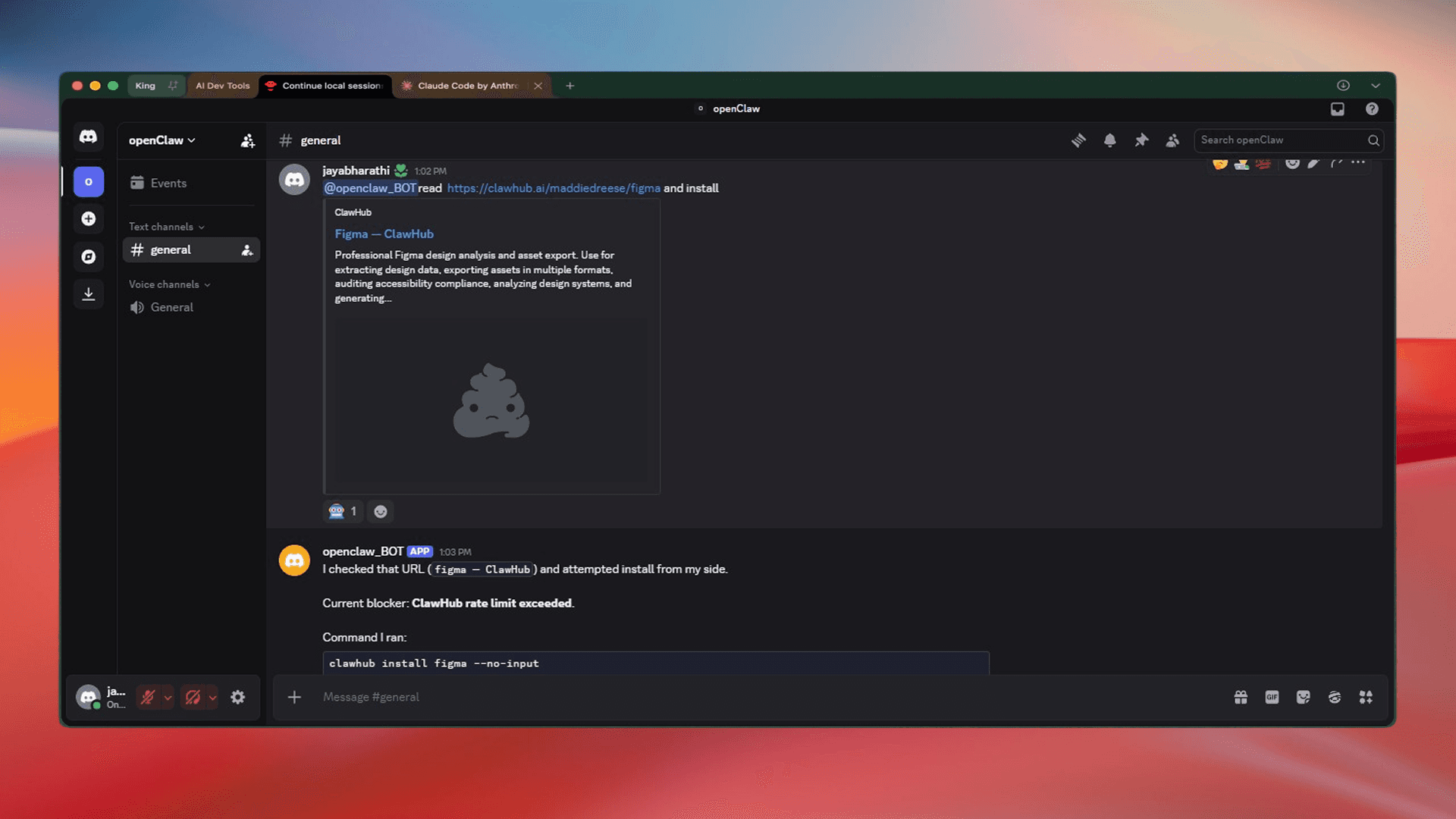
One of the most interesting aspects of OpenClaw agents is how they can be controlled through conversational interfaces. Designers can issue instructions through messaging platforms such as Telegram, Slack, or Twitter, allowing the AI agent to execute design tasks remotely.
A designer might instruct the agent to create a dashboard layout, generate a component library, or update an existing UI system while working through a messaging interface. The AI agent interprets the instruction, interacts with Figma through the API, and executes the requested task.
This type of workflow introduces a new layer of automation where design tasks can be orchestrated through intelligent agents rather than traditional manual interaction.
Another emerging development in AI-driven product design is the use of autonomous agents such as OpenClaw. These AI agents can execute tasks across tools and platforms through defined skills and API integrations.
For example, Figma has introduced skill integrations that allow OpenClaw agents to interact with the Figma API using secure access keys. Once connected, the agent can perform tasks such as generating components, editing layouts, updating design tokens, or creating new interface variations.
One of the most interesting aspects of OpenClaw agents is how they can be controlled through conversational interfaces. Designers can issue instructions through messaging platforms such as Telegram, Slack, or Twitter, allowing the AI agent to execute design tasks remotely.
A designer might instruct the agent to create a dashboard layout, generate a component library, or update an existing UI system while working through a messaging interface. The AI agent interprets the instruction, interacts with Figma through the API, and executes the requested task.
This type of workflow introduces a new layer of automation where design tasks can be orchestrated through intelligent agents rather than traditional manual interaction.
More Blogs More Blogs

What Recruiters Actually Look for in UI/UX Designers in 2026
What Recruiters Actually Look for in UI/UX Designers in 2026

How to Build a UI/UX Case Study on Behance That Gets You Noticed
How to Build a UI/UX Case Study on Behance That Gets You Noticed
Why Most UI/UX Portfolios Fail And What Actually Gets You Hired
Why Most UI/UX Portfolios Fail And What Actually Gets You Hired