Author: Sriraj Mohan
UI/UX Designer
How to Build a UI/UX Case Study on Behance That Gets You Noticed
How to Build a UI/UX Case Study on Behance That Gets You Noticed
How to Build a UI/UX Case Study on Behance That Gets You Noticed
Behance is one of the most important platforms for UI/UX designers to showcase their work. However, many designers struggle to present their projects effectively. This article explains how to structure a UI/UX case study on Behance, what to include, and how to create projects that attract attention from recruiters, clients, and design communities.
Behance is one of the most important platforms for UI/UX designers to showcase their work. However, many designers struggle to present their projects effectively. This article explains how to structure a UI/UX case study on Behance, what to include, and how to create projects that attract attention from recruiters, clients, and design communities.
Behance is one of the most important platforms for UI/UX designers to showcase their work. However, many designers struggle to present their projects effectively. This article explains how to structure a UI/UX case study on Behance, what to include, and how to create projects that attract attention from recruiters, clients, and design communities.

why most behance case studies fail to stand out
why most behance case studies fail to stand out
Many UI/UX designers upload their work on Behance as a collection of screens without proper context. While visually appealing designs may attract initial attention, they often fail to communicate the reasoning behind design decisions.
A common mistake is treating Behance like a gallery instead of a storytelling platform. Without explaining the problem, user needs, and product goals, a case study lacks depth and impact.
Recruiters and clients look for more than aesthetics. They want to understand how a designer approaches problems, structures information, and improves user experience. Case studies that do not clearly explain these aspects often fail to stand out.
To be effective, a Behance project must guide the viewer through the design process, not just the final screens.
Many UI/UX designers upload their work on Behance as a collection of screens without proper context. While visually appealing designs may attract initial attention, they often fail to communicate the reasoning behind design decisions.
A common mistake is treating Behance like a gallery instead of a storytelling platform. Without explaining the problem, user needs, and product goals, a case study lacks depth and impact.
Recruiters and clients look for more than aesthetics. They want to understand how a designer approaches problems, structures information, and improves user experience. Case studies that do not clearly explain these aspects often fail to stand out.
To be effective, a Behance project must guide the viewer through the design process, not just the final screens.
how to structure a strong ui ux case study on behance
how to structure a strong ui ux case study on behance
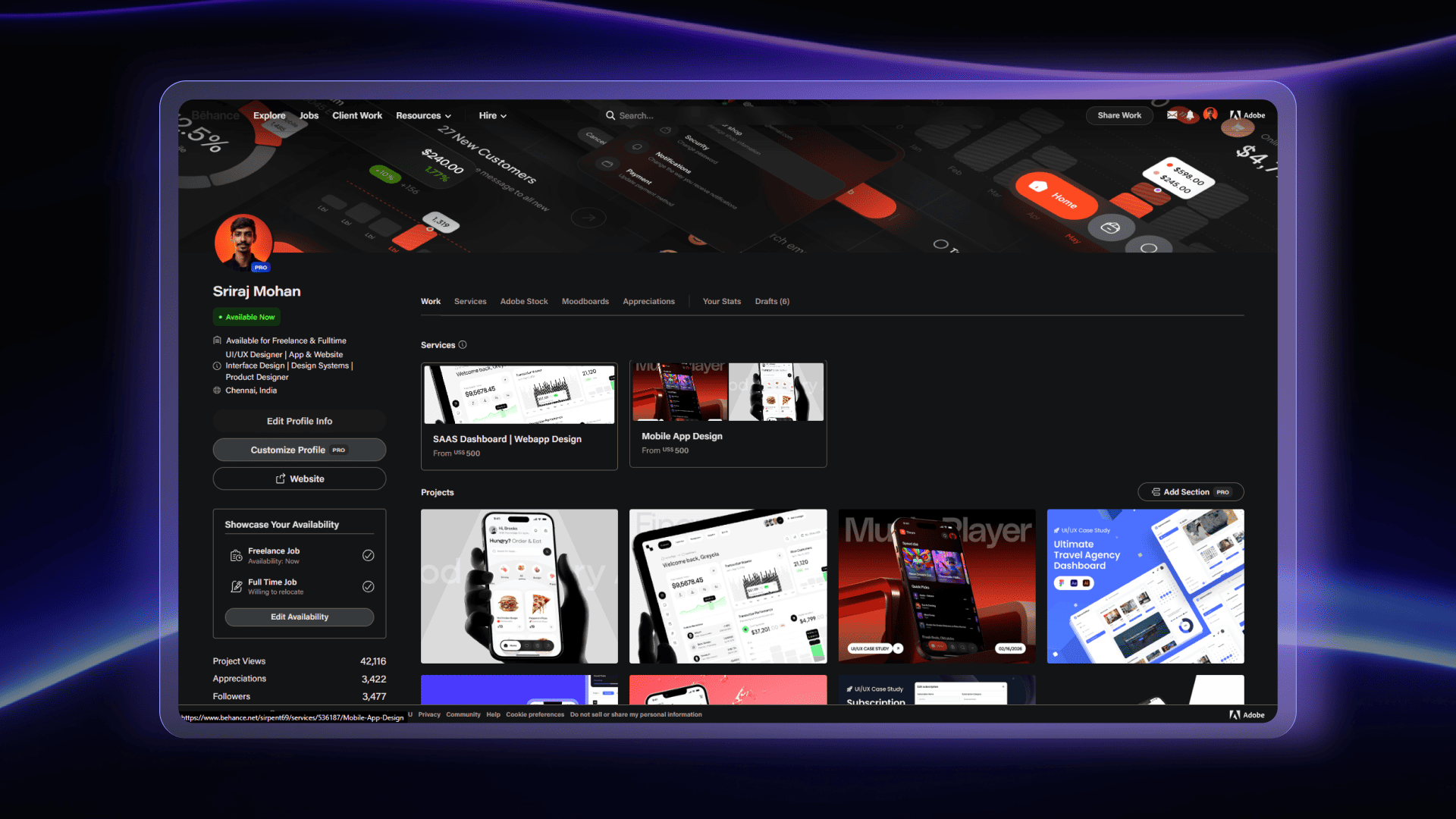
A well-structured UI/UX case study on Behance should follow a clear and logical flow. It should begin with a short introduction that explains the product, the problem being solved, and the purpose of the project.
This should be followed by sections that outline user needs, design challenges, and key decisions. Including wireframes, early explorations, and iterations helps demonstrate how the final design evolved.
High-quality UI screens should be presented with clear hierarchy, showing important features, interactions, and flows. Supporting visuals such as dashboards, mobile screens, or system components help create a complete picture of the product.
A strong case study balances visuals with explanation, allowing viewers to understand both the design and the thinking behind it.
A well-structured UI/UX case study on Behance should follow a clear and logical flow. It should begin with a short introduction that explains the product, the problem being solved, and the purpose of the project.
This should be followed by sections that outline user needs, design challenges, and key decisions. Including wireframes, early explorations, and iterations helps demonstrate how the final design evolved.
High-quality UI screens should be presented with clear hierarchy, showing important features, interactions, and flows. Supporting visuals such as dashboards, mobile screens, or system components help create a complete picture of the product.
A strong case study balances visuals with explanation, allowing viewers to understand both the design and the thinking behind it.
how behance projects help ui ux designers get hired
how behance projects help ui ux designers get hired
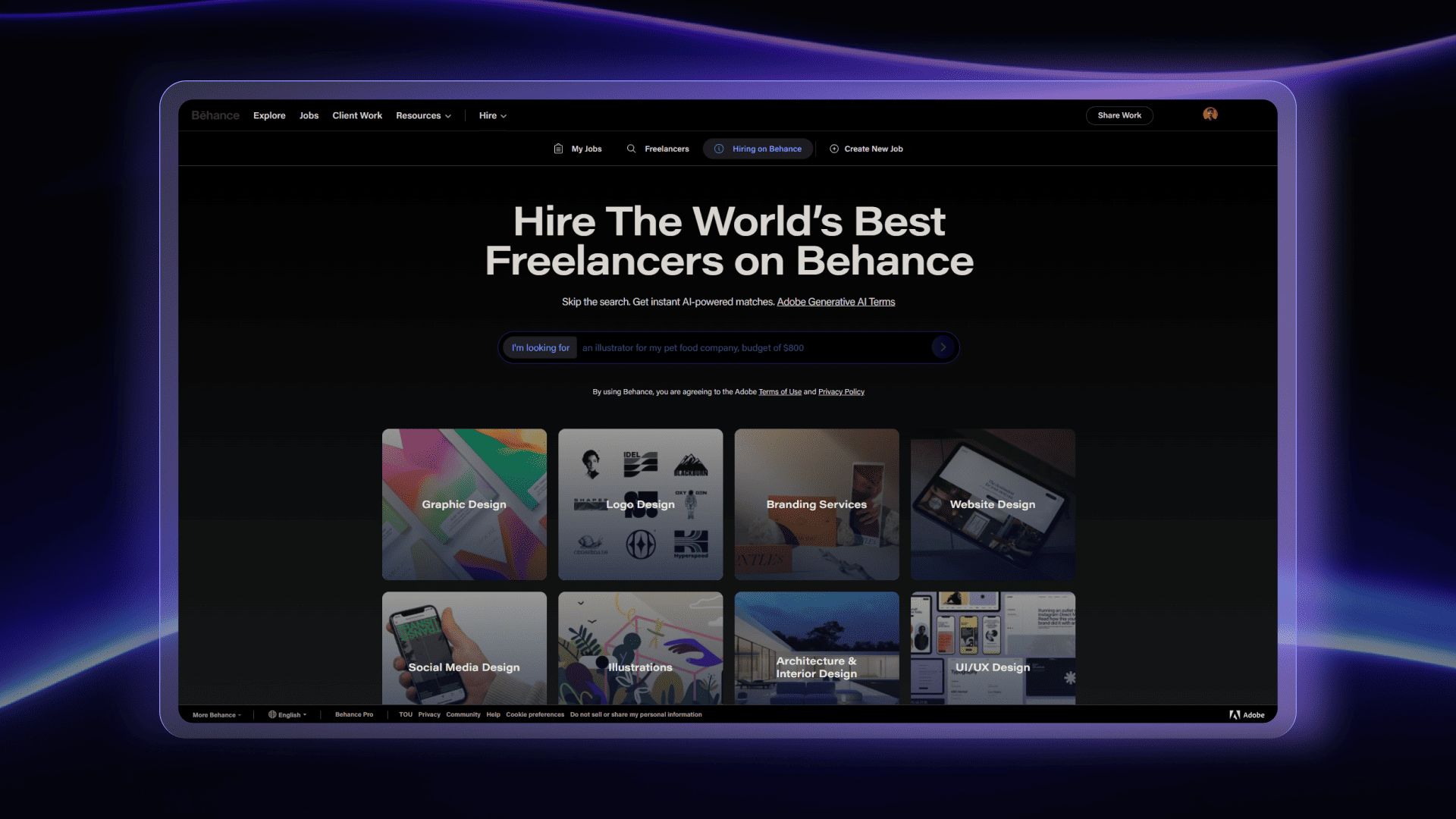
Behance plays an important role in helping UI/UX designers gain visibility and career opportunities. Well-presented case studies can attract recruiters, clients, and other designers who are actively exploring design work.
A strong Behance project acts as proof of a designer’s ability to think through real product problems. It demonstrates not only visual skills but also problem-solving ability, system thinking, and attention to usability.
Designers who consistently publish structured case studies are more likely to build credibility and recognition in the design community. Over time, this visibility can lead to job opportunities, freelance work, and collaborations.
For UI/UX designers, Behance is not just a portfolio platform. It is a tool for building professional presence and showcasing design expertise.
Behance plays an important role in helping UI/UX designers gain visibility and career opportunities. Well-presented case studies can attract recruiters, clients, and other designers who are actively exploring design work.
A strong Behance project acts as proof of a designer’s ability to think through real product problems. It demonstrates not only visual skills but also problem-solving ability, system thinking, and attention to usability.
Designers who consistently publish structured case studies are more likely to build credibility and recognition in the design community. Over time, this visibility can lead to job opportunities, freelance work, and collaborations.
For UI/UX designers, Behance is not just a portfolio platform. It is a tool for building professional presence and showcasing design expertise.
More Blogs More Blogs

What Recruiters Actually Look for in UI/UX Designers in 2026
What Recruiters Actually Look for in UI/UX Designers in 2026

Why Most UI/UX Portfolios Fail And What Actually Gets You Hired
Why Most UI/UX Portfolios Fail And What Actually Gets You Hired

The Ultimate UI/UX Designer Toolkit: Everything You Actually Need in 2026
The Ultimate UI/UX Designer Toolkit: Everything You Actually Need in 2026