Author: Sriraj Mohan
UI/UX Designer
The Ultimate UI/UX Designer Toolkit: Everything You Actually Need in 2026
The Ultimate UI/UX Designer Toolkit: Everything You Actually Need in 2026
The Ultimate UI/UX Designer Toolkit: Everything You Actually Need in 2026
Modern UI/UX designers rely on a combination of design tools, plugins, and online resources to build scalable digital products. From interface design platforms to AI-powered assistants and curated design resource libraries, the right toolkit can significantly improve productivity and creativity. This article highlights essential tools, plugins, and websites that UI/UX designers should know in 2026.
Modern UI/UX designers rely on a combination of design tools, plugins, and online resources to build scalable digital products. From interface design platforms to AI-powered assistants and curated design resource libraries, the right toolkit can significantly improve productivity and creativity. This article highlights essential tools, plugins, and websites that UI/UX designers should know in 2026.
Modern UI/UX designers rely on a combination of design tools, plugins, and online resources to build scalable digital products. From interface design platforms to AI-powered assistants and curated design resource libraries, the right toolkit can significantly improve productivity and creativity. This article highlights essential tools, plugins, and websites that UI/UX designers should know in 2026.
essential design platforms every ui ux designer should master
essential design platforms every ui ux designer should master
The foundation of most modern UI/UX workflows begins with a powerful design platform. One of the most widely used tools today is Figma, which allows designers to create interface layouts, manage design systems, and build interactive prototypes in a collaborative environment.
Figma enables designers to build reusable components, responsive layouts, and scalable design systems that maintain consistency across complex products. Teams working on SaaS platforms, mobile apps, and web applications rely on Figma because it allows designers and developers to collaborate in real time.
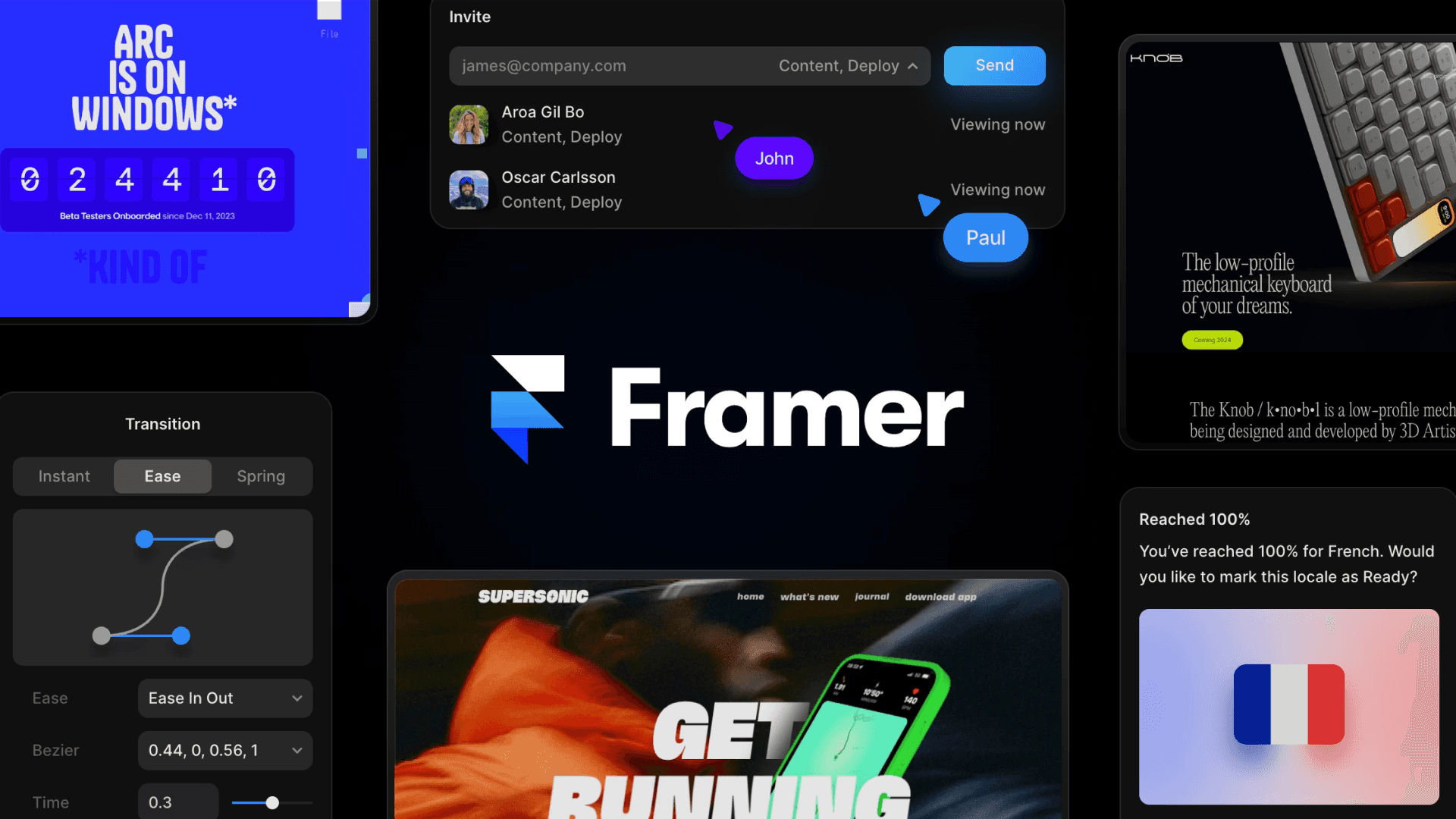
Another powerful platform gaining popularity among designers is Framer. Framer allows designers to transform interface concepts into interactive websites and product interfaces without heavy development work. Designers can build production-ready landing pages, portfolios, and product experiences directly from the design environment.
Together, tools like Figma and Framer form the core environment where modern UI/UX designers create and test digital products.
The foundation of most modern UI/UX workflows begins with a powerful design platform. One of the most widely used tools today is Figma, which allows designers to create interface layouts, manage design systems, and build interactive prototypes in a collaborative environment.
Figma enables designers to build reusable components, responsive layouts, and scalable design systems that maintain consistency across complex products. Teams working on SaaS platforms, mobile apps, and web applications rely on Figma because it allows designers and developers to collaborate in real time.
Another powerful platform gaining popularity among designers is Framer. Framer allows designers to transform interface concepts into interactive websites and product interfaces without heavy development work. Designers can build production-ready landing pages, portfolios, and product experiences directly from the design environment.
Together, tools like Figma and Framer form the core environment where modern UI/UX designers create and test digital products.
figma plugins and ai tools that accelerate design workflows
figma plugins and ai tools that accelerate design workflows
Plugins and AI-powered tools have become an important part of modern UI/UX design workflows. These tools help designers automate repetitive tasks, generate layout ideas, and build scalable design systems faster.
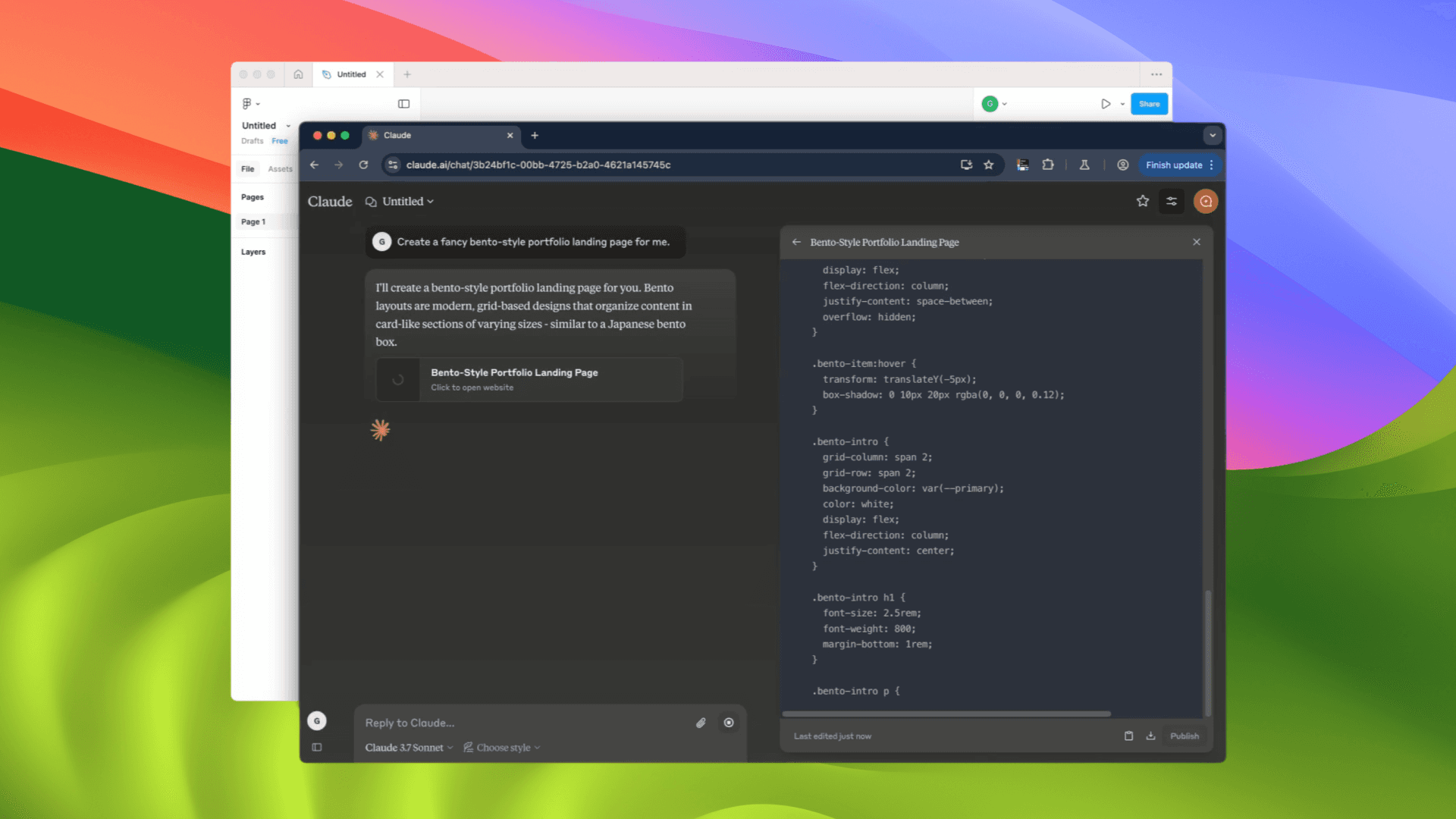
One emerging innovation is the Claude Figma MCP plugin, which connects AI-powered assistants to design tools. With MCP servers, designers can describe layout structures, component systems, or interface patterns through prompts. The AI agent can then generate structured UI components directly inside the design environment.
This type of workflow allows designers to quickly create component libraries, design tokens, and structured interface systems without manually constructing every element.
Another growing trend is the use of AI-assisted tools that help designers generate microcopy, analyze usability issues, or explore layout variations. These tools do not replace designers but act as intelligent assistants that accelerate the design process.
For designers building large products with complex design systems, AI-powered tools can significantly reduce repetitive setup work.
Plugins and AI-powered tools have become an important part of modern UI/UX design workflows. These tools help designers automate repetitive tasks, generate layout ideas, and build scalable design systems faster.
One emerging innovation is the Claude Figma MCP plugin, which connects AI-powered assistants to design tools. With MCP servers, designers can describe layout structures, component systems, or interface patterns through prompts. The AI agent can then generate structured UI components directly inside the design environment.
This type of workflow allows designers to quickly create component libraries, design tokens, and structured interface systems without manually constructing every element.
Another growing trend is the use of AI-assisted tools that help designers generate microcopy, analyze usability issues, or explore layout variations. These tools do not replace designers but act as intelligent assistants that accelerate the design process.
For designers building large products with complex design systems, AI-powered tools can significantly reduce repetitive setup work.
websites and resources designers use for ui inspiration and assets
websites and resources designers use for ui inspiration and assets
Beyond design tools and plugins, many designers rely on curated resource platforms to discover UI inspiration, download assets, and explore community-created interface components.
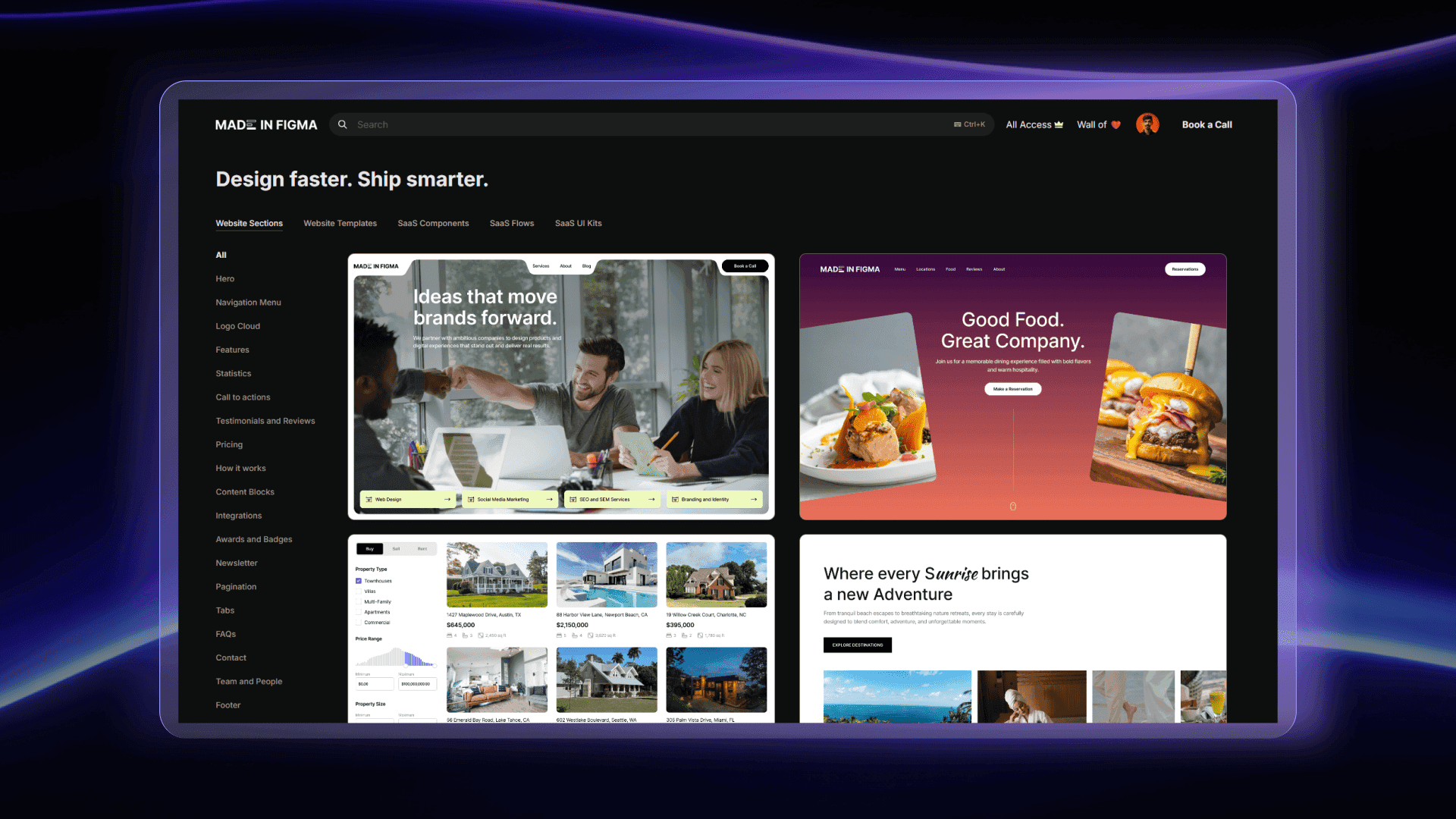
One useful resource is Made in Figma, a website that showcases UI kits, components, and templates created by designers using Figma. Platforms like this allow designers to study real interface patterns, discover reusable components, and learn how design systems are structured.
Design resource websites help designers explore interface ideas, learn best practices, and stay updated with evolving design trends. Many designers use these platforms not only for inspiration but also to understand how complex UI systems are organized.
When combined with professional design tools and AI-assisted workflows, these resources become part of a larger ecosystem that supports modern product design.
Beyond design tools and plugins, many designers rely on curated resource platforms to discover UI inspiration, download assets, and explore community-created interface components.
One useful resource is Made in Figma, a website that showcases UI kits, components, and templates created by designers using Figma. Platforms like this allow designers to study real interface patterns, discover reusable components, and learn how design systems are structured.
Design resource websites help designers explore interface ideas, learn best practices, and stay updated with evolving design trends. Many designers use these platforms not only for inspiration but also to understand how complex UI systems are organized.
When combined with professional design tools and AI-assisted workflows, these resources become part of a larger ecosystem that supports modern product design.
More Blogs More Blogs

What Recruiters Actually Look for in UI/UX Designers in 2026
What Recruiters Actually Look for in UI/UX Designers in 2026

How to Build a UI/UX Case Study on Behance That Gets You Noticed
How to Build a UI/UX Case Study on Behance That Gets You Noticed
Why Most UI/UX Portfolios Fail And What Actually Gets You Hired
Why Most UI/UX Portfolios Fail And What Actually Gets You Hired