Author: Sriraj Mohan
UI/UX Designer
Why Most UI/UX Portfolios Fail And What Actually Gets You Hired
Why Most UI/UX Portfolios Fail And What Actually Gets You Hired
Why Most UI/UX Portfolios Fail And What Actually Gets You Hired
A strong UI/UX portfolio is one of the most important factors in getting hired as a designer. However, many portfolios fail to communicate real design thinking, usability decisions, and product understanding. This article explains why most UI/UX portfolios fail and what actually helps designers stand out and get hired in competitive design roles.
A strong UI/UX portfolio is one of the most important factors in getting hired as a designer. However, many portfolios fail to communicate real design thinking, usability decisions, and product understanding. This article explains why most UI/UX portfolios fail and what actually helps designers stand out and get hired in competitive design roles.
A strong UI/UX portfolio is one of the most important factors in getting hired as a designer. However, many portfolios fail to communicate real design thinking, usability decisions, and product understanding. This article explains why most UI/UX portfolios fail and what actually helps designers stand out and get hired in competitive design roles.
most ui ux portfolios focus on visuals instead of real problem solving
most ui ux portfolios focus on visuals instead of real problem solving
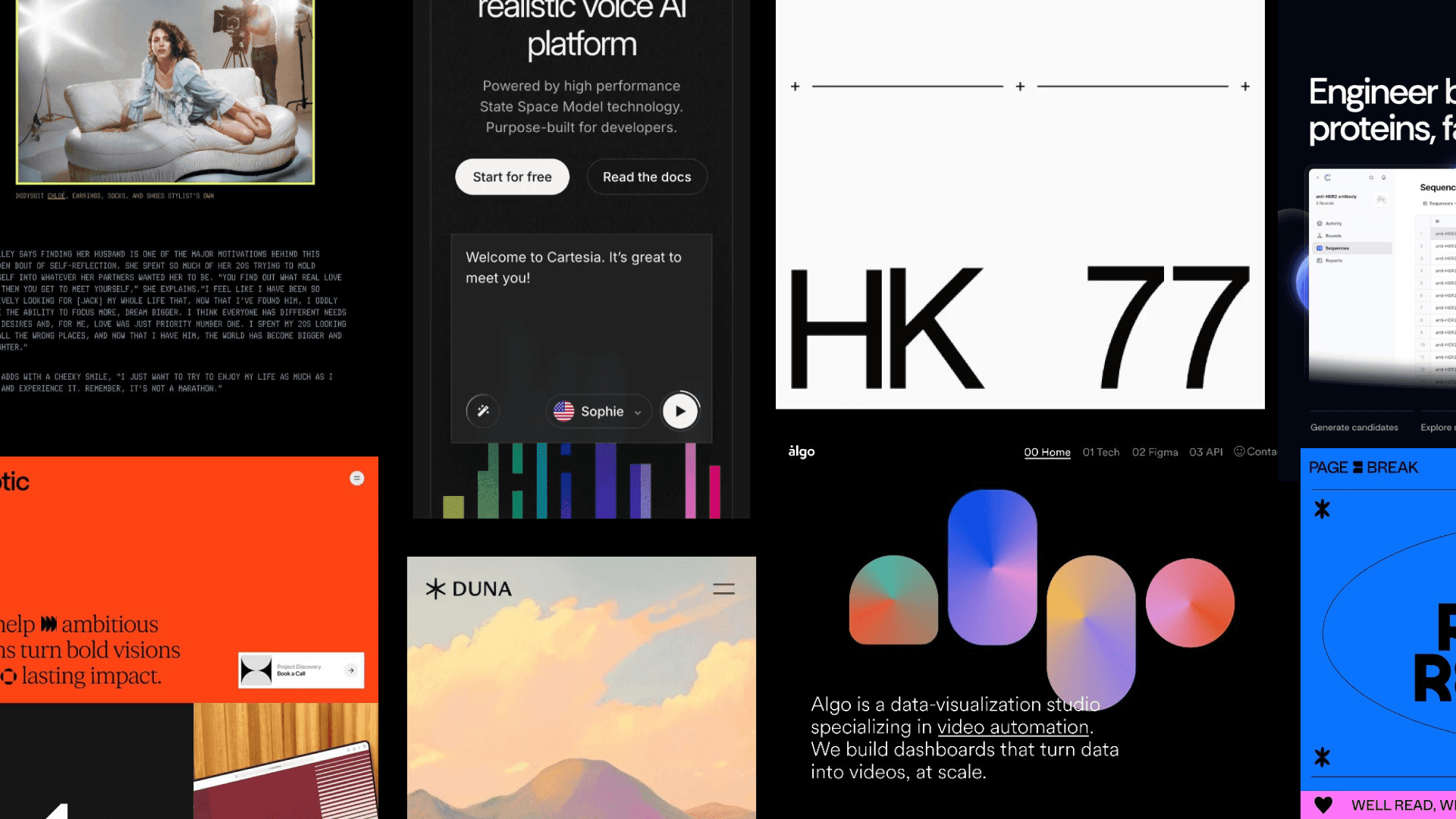
One of the most common reasons UI/UX portfolios fail is the overemphasis on visual design without explaining the problem behind the interface. Many designers showcase high-quality screens, gradients, and polished layouts, but fail to communicate why those decisions were made.
Recruiters and product teams are not only looking for visually appealing interfaces. They want to understand how a designer approaches a problem, structures information, and improves user experience. A portfolio that only shows final screens without context often feels incomplete.
Strong UI/UX portfolios explain the problem, define the user, and show how design decisions improve usability. Visual quality is important, but clarity of thinking is what truly differentiates a designer.
One of the most common reasons UI/UX portfolios fail is the overemphasis on visual design without explaining the problem behind the interface. Many designers showcase high-quality screens, gradients, and polished layouts, but fail to communicate why those decisions were made.
Recruiters and product teams are not only looking for visually appealing interfaces. They want to understand how a designer approaches a problem, structures information, and improves user experience. A portfolio that only shows final screens without context often feels incomplete.
Strong UI/UX portfolios explain the problem, define the user, and show how design decisions improve usability. Visual quality is important, but clarity of thinking is what truly differentiates a designer.
why case studies matter more than static ui screens
why case studies matter more than static ui screens
A portfolio that consists only of UI screens or Dribbble-style shots often lacks depth. While these visuals can demonstrate aesthetic ability, they do not show how a designer thinks through user flows, product constraints, or real-world problems.
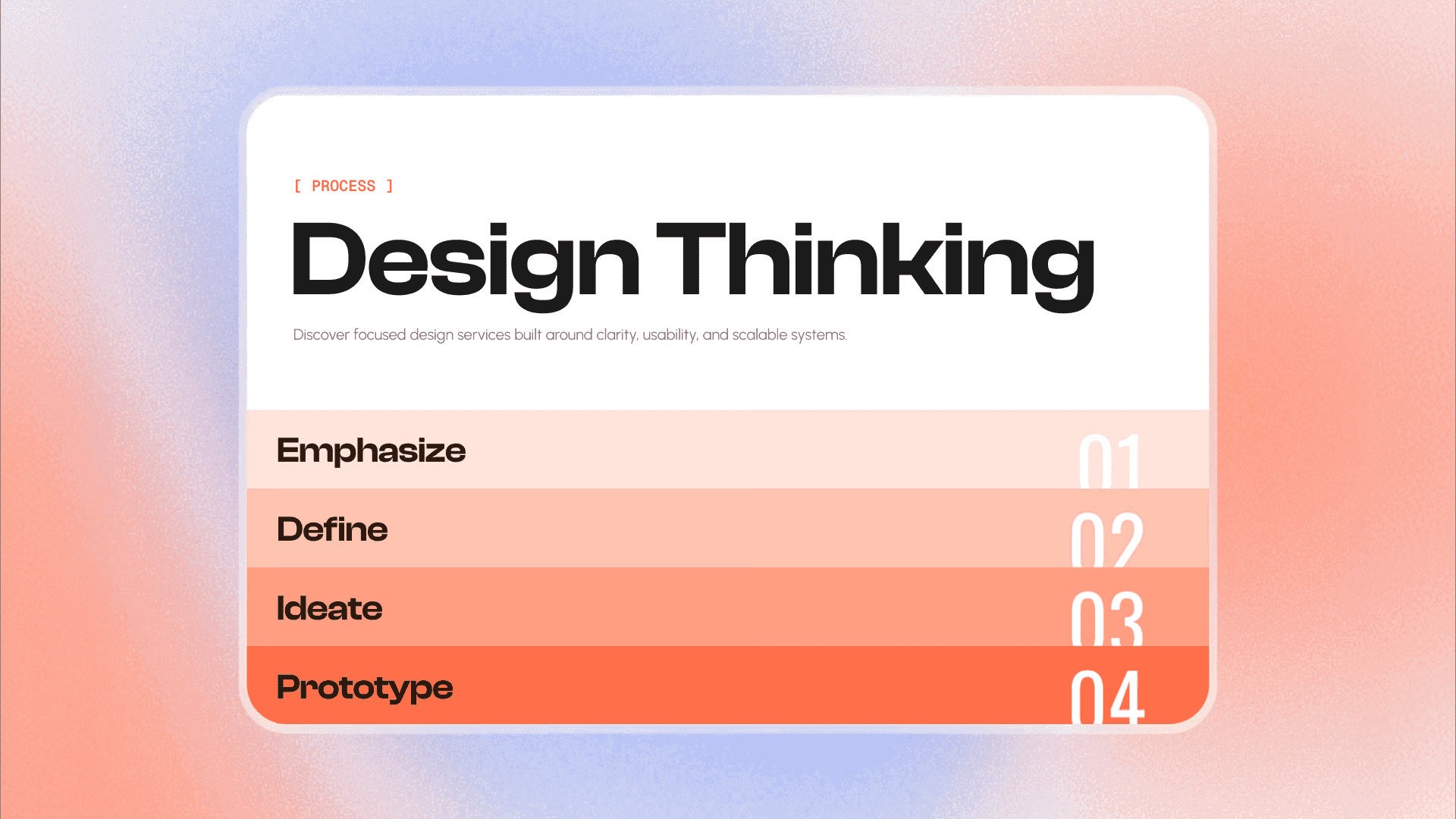
Case studies provide this missing context. They explain the design process, from research and problem definition to wireframes, iterations, and final solutions. A well-structured case study shows how a designer approaches challenges and improves the overall user experience.
For example, showing how a fintech dashboard improves data readability or how an onboarding flow reduces user friction gives recruiters a clearer understanding of your design capability than static screens alone.
Portfolios that include strong case studies are more likely to stand out because they reflect real product thinking rather than just visual execution.
A portfolio that consists only of UI screens or Dribbble-style shots often lacks depth. While these visuals can demonstrate aesthetic ability, they do not show how a designer thinks through user flows, product constraints, or real-world problems.
Case studies provide this missing context. They explain the design process, from research and problem definition to wireframes, iterations, and final solutions. A well-structured case study shows how a designer approaches challenges and improves the overall user experience.
For example, showing how a fintech dashboard improves data readability or how an onboarding flow reduces user friction gives recruiters a clearer understanding of your design capability than static screens alone.
Portfolios that include strong case studies are more likely to stand out because they reflect real product thinking rather than just visual execution.
what actually helps ui ux designers get hired
what actually helps ui ux designers get hired
UI/UX designers get hired when they can demonstrate clarity, problem-solving ability, and product understanding. A strong portfolio communicates how a designer thinks, not just what they design.
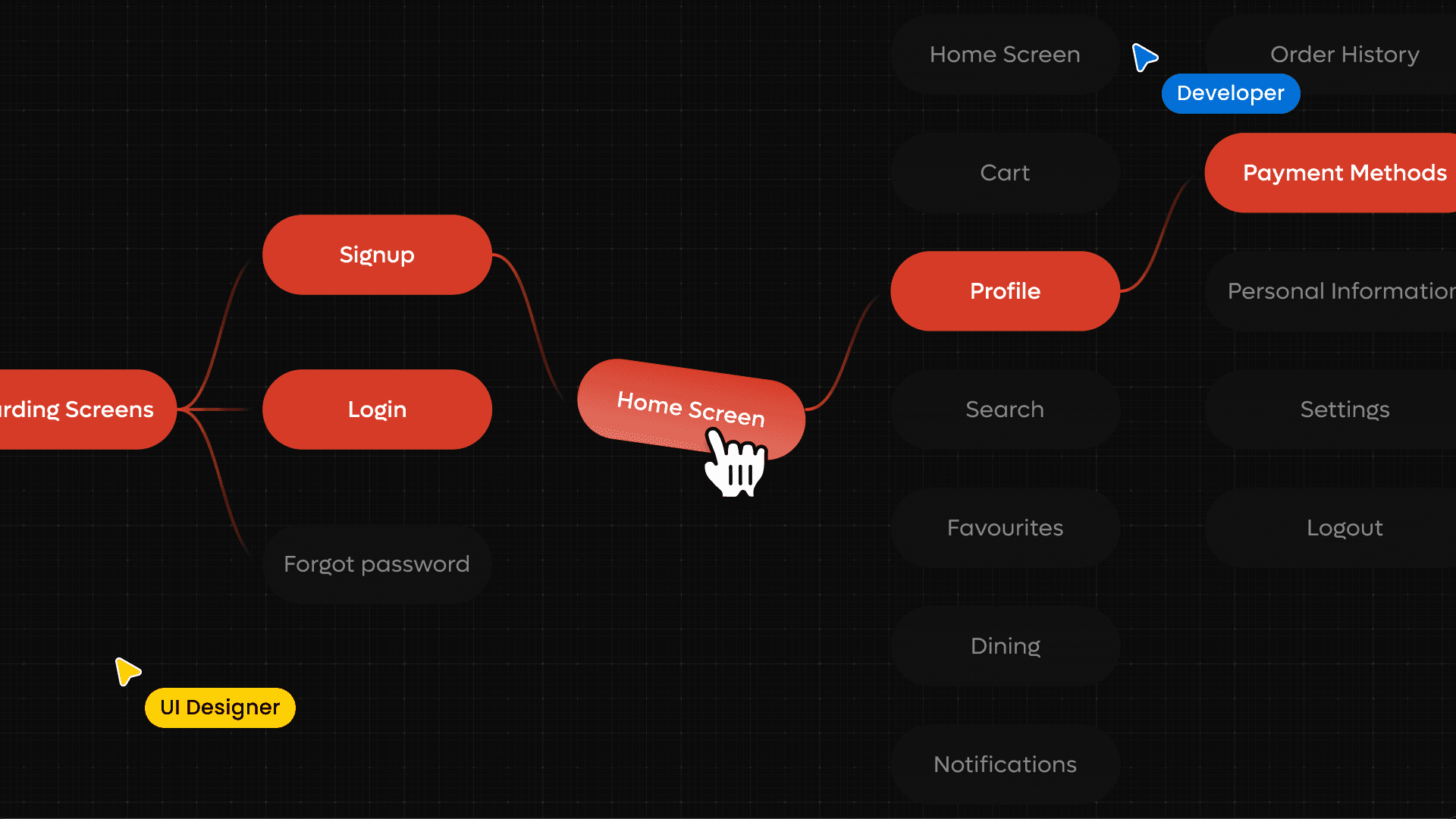
Designers who stand out often present their work with clear structure, including problem statements, user goals, design decisions, and measurable outcomes. They focus on usability, hierarchy, and interaction rather than just visual trends.
Consistency also plays an important role. A portfolio should reflect a clear design approach across multiple projects, whether it involves mobile apps, SaaS dashboards, or web interfaces.
Ultimately, hiring decisions are influenced by how well a designer can communicate their thinking. A portfolio that combines strong visuals with clear reasoning and structured case studies is far more effective than one that focuses only on aesthetics.
UI/UX designers get hired when they can demonstrate clarity, problem-solving ability, and product understanding. A strong portfolio communicates how a designer thinks, not just what they design.
Designers who stand out often present their work with clear structure, including problem statements, user goals, design decisions, and measurable outcomes. They focus on usability, hierarchy, and interaction rather than just visual trends.
Consistency also plays an important role. A portfolio should reflect a clear design approach across multiple projects, whether it involves mobile apps, SaaS dashboards, or web interfaces.
Ultimately, hiring decisions are influenced by how well a designer can communicate their thinking. A portfolio that combines strong visuals with clear reasoning and structured case studies is far more effective than one that focuses only on aesthetics.
More Blogs More Blogs

What Recruiters Actually Look for in UI/UX Designers in 2026
What Recruiters Actually Look for in UI/UX Designers in 2026

How to Build a UI/UX Case Study on Behance That Gets You Noticed
How to Build a UI/UX Case Study on Behance That Gets You Noticed

The Ultimate UI/UX Designer Toolkit: Everything You Actually Need in 2026
The Ultimate UI/UX Designer Toolkit: Everything You Actually Need in 2026