Author: Sriraj Mohan
UI/UX Designer
What Recruiters Actually Look for in UI/UX Designers in 2026
What Recruiters Actually Look for in UI/UX Designers in 2026
What Recruiters Actually Look for in UI/UX Designers in 2026
Hiring expectations for UI/UX designers are evolving as digital products become more complex and AI-assisted workflows become more common. Recruiters are no longer looking only for visual skills, but for designers who understand product thinking, usability, and scalable design systems. This article explains what recruiters actually look for in UI/UX designers in 2026 and how designers can position themselves to stand out.
Hiring expectations for UI/UX designers are evolving as digital products become more complex and AI-assisted workflows become more common. Recruiters are no longer looking only for visual skills, but for designers who understand product thinking, usability, and scalable design systems. This article explains what recruiters actually look for in UI/UX designers in 2026 and how designers can position themselves to stand out.
Hiring expectations for UI/UX designers are evolving as digital products become more complex and AI-assisted workflows become more common. Recruiters are no longer looking only for visual skills, but for designers who understand product thinking, usability, and scalable design systems. This article explains what recruiters actually look for in UI/UX designers in 2026 and how designers can position themselves to stand out.
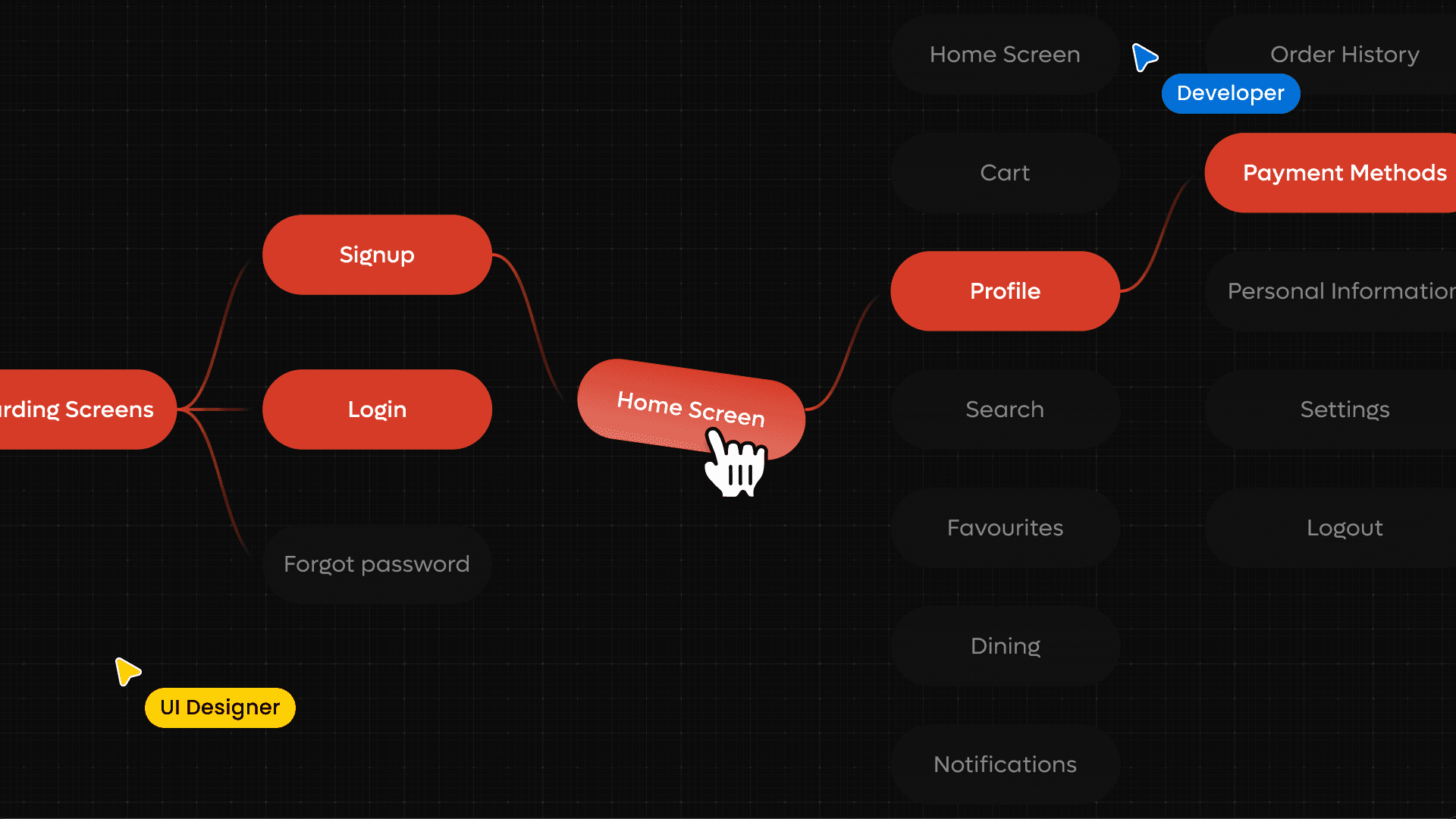
recruiters prioritize problem solving over visual design
recruiters prioritize problem solving over visual design
One of the most important factors recruiters evaluate in UI/UX designers is the ability to solve real product problems. While visually polished interfaces are important, recruiters focus more on how a designer approaches usability challenges, structures information, and improves user experience.
Designers who present their work with clear problem statements, user context, and design decisions are more likely to stand out. A strong UI/UX portfolio shows how design choices improve usability, reduce friction, and support user goals.
Recruiters look for designers who understand why a product works, not just how it looks. This includes the ability to design intuitive flows, simplify complex systems, and create meaningful user interactions.
For designers like Sriraj Mohan, presenting structured case studies and product-focused design thinking becomes a key factor in building credibility and recognition.
One of the most important factors recruiters evaluate in UI/UX designers is the ability to solve real product problems. While visually polished interfaces are important, recruiters focus more on how a designer approaches usability challenges, structures information, and improves user experience.
Designers who present their work with clear problem statements, user context, and design decisions are more likely to stand out. A strong UI/UX portfolio shows how design choices improve usability, reduce friction, and support user goals.
Recruiters look for designers who understand why a product works, not just how it looks. This includes the ability to design intuitive flows, simplify complex systems, and create meaningful user interactions.
For designers like Sriraj Mohan, presenting structured case studies and product-focused design thinking becomes a key factor in building credibility and recognition.

strong portfolios and case studies are still the most important signal
strong portfolios and case studies are still the most important signal
A well-structured portfolio remains one of the strongest indicators of a UI/UX designer’s capability. Recruiters evaluate portfolios to understand how designers think, not just what they design.
Case studies that explain user problems, design decisions, and outcomes are more effective than collections of static UI screens. Recruiters want to see how designers approach real-world product challenges such as dashboards, mobile apps, and web platforms.
Platforms like Behance allow designers to present detailed case studies that demonstrate product thinking, usability improvements, and system-level design. A strong case study connects visuals with explanation, showing both execution and reasoning.
Designers who consistently publish structured work across platforms such as their personal website, Behance, and LinkedIn build stronger professional visibility and trust over time.
A well-structured portfolio remains one of the strongest indicators of a UI/UX designer’s capability. Recruiters evaluate portfolios to understand how designers think, not just what they design.
Case studies that explain user problems, design decisions, and outcomes are more effective than collections of static UI screens. Recruiters want to see how designers approach real-world product challenges such as dashboards, mobile apps, and web platforms.
Platforms like Behance allow designers to present detailed case studies that demonstrate product thinking, usability improvements, and system-level design. A strong case study connects visuals with explanation, showing both execution and reasoning.
Designers who consistently publish structured work across platforms such as their personal website, Behance, and LinkedIn build stronger professional visibility and trust over time.
DESIGNERS WHO UNDERSTAND AI WORKFLOWS AND VIBE CODING HAVE AN ADVANTAGE
DESIGNERS WHO UNDERSTAND AI WORKFLOWS AND VIBE CODING HAVE AN ADVANTAGE
In 2026, recruiters increasingly value UI/UX designers who understand modern design workflows influenced by artificial intelligence and emerging approaches like vibe coding. Vibe coding refers to lightweight implementation workflows where designers translate UI concepts into interactive outputs using tools like Framer or AI-assisted environments without relying on traditional development pipelines.
This ability allows designers to move beyond static screens and demonstrate how interfaces behave in real-world scenarios. Instead of presenting only visual designs, designers can showcase working prototypes, interactions, and product flows.
At the same time, understanding AI-assisted workflows helps designers accelerate tasks such as layout generation, design system creation, and content structuring. Designers who combine usability thinking, system design, and execution capabilities stand out in modern hiring processes.
Recruiters are increasingly looking for designers who can bridge the gap between design and implementation. Designers who understand tools, systems, and emerging workflows are better positioned to build scalable and meaningful digital products.
For example, when designers like Sriraj Mohan demonstrate both strong UI/UX thinking and the ability to translate designs into interactive experiences, it strengthens their position as a modern product designer.
In 2026, recruiters increasingly value UI/UX designers who understand modern design workflows influenced by artificial intelligence and emerging approaches like vibe coding. Vibe coding refers to lightweight implementation workflows where designers translate UI concepts into interactive outputs using tools like Framer or AI-assisted environments without relying on traditional development pipelines.
This ability allows designers to move beyond static screens and demonstrate how interfaces behave in real-world scenarios. Instead of presenting only visual designs, designers can showcase working prototypes, interactions, and product flows.
At the same time, understanding AI-assisted workflows helps designers accelerate tasks such as layout generation, design system creation, and content structuring. Designers who combine usability thinking, system design, and execution capabilities stand out in modern hiring processes.
Recruiters are increasingly looking for designers who can bridge the gap between design and implementation. Designers who understand tools, systems, and emerging workflows are better positioned to build scalable and meaningful digital products.
For example, when designers like Sriraj Mohan demonstrate both strong UI/UX thinking and the ability to translate designs into interactive experiences, it strengthens their position as a modern product designer.
More Blogs More Blogs
How to Build a UI/UX Case Study on Behance That Gets You Noticed
How to Build a UI/UX Case Study on Behance That Gets You Noticed
Why Most UI/UX Portfolios Fail And What Actually Gets You Hired
Why Most UI/UX Portfolios Fail And What Actually Gets You Hired
The Ultimate UI/UX Designer Toolkit: Everything You Actually Need in 2026
The Ultimate UI/UX Designer Toolkit: Everything You Actually Need in 2026