Author: Sriraj Mohan
UI/UX Designer
How AI Is Changing UI/UX Design and Product Interfaces
How AI Is Changing UI/UX Design and Product Interfaces
How AI Is Changing UI/UX Design and Product Interfaces
Artificial Intelligence is reshaping how digital products are designed and experienced. This article explores how AI is changing UI/UX design, from adaptive interfaces and personalization to automation, and what it means for designers building modern product experiences.
Artificial Intelligence is reshaping how digital products are designed and experienced. This article explores how AI is changing UI/UX design, from adaptive interfaces and personalization to automation, and what it means for designers building modern product experiences.
Artificial Intelligence is reshaping how digital products are designed and experienced. This article explores how AI is changing UI/UX design, from adaptive interfaces and personalization to automation, and what it means for designers building modern product experiences.
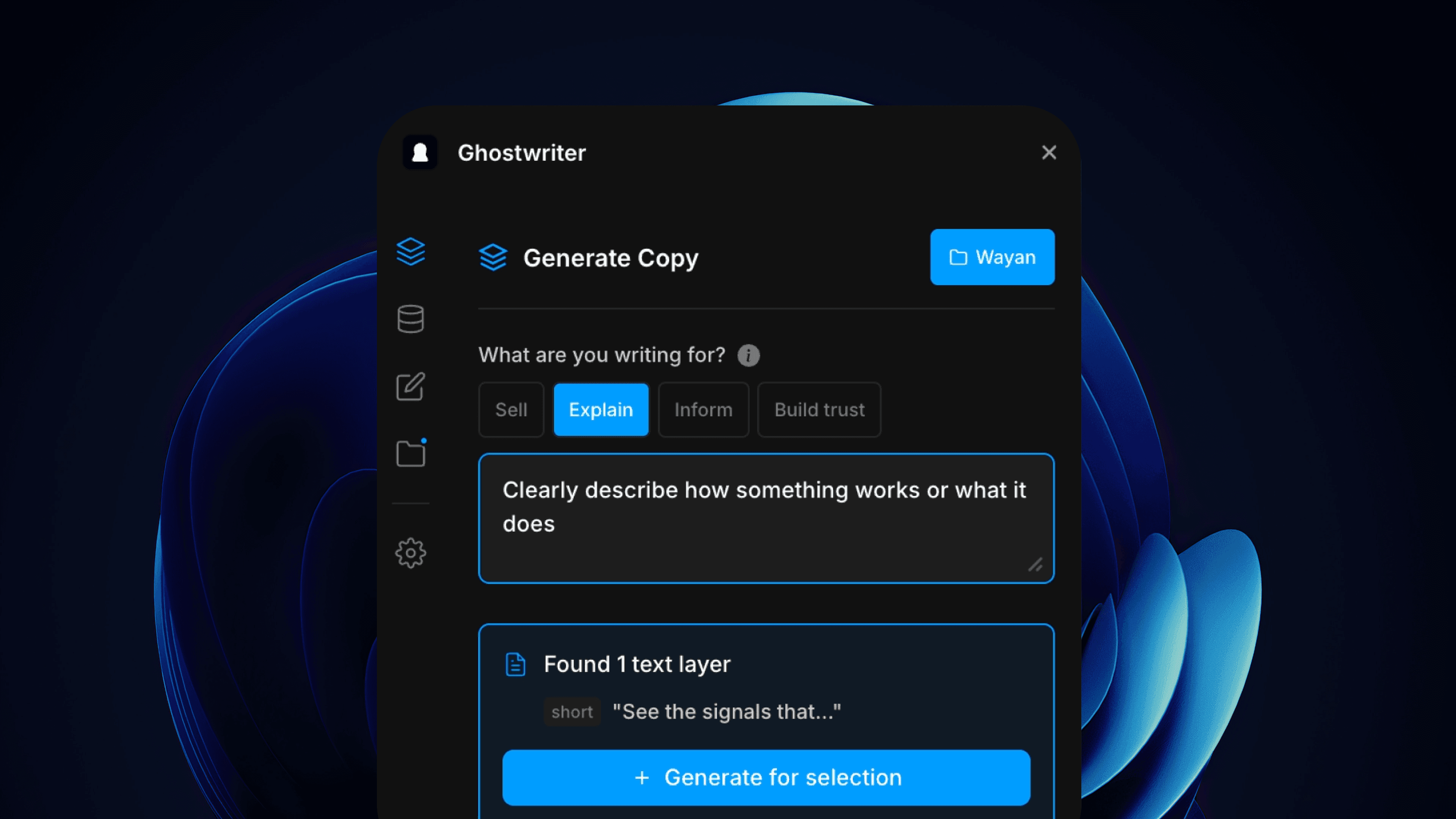
ai is shifting ui design from static layouts to adaptive interfaces
ai is shifting ui design from static layouts to adaptive interfaces
Traditional UI design focused on static layouts and predictable user flows. Today, AI is transforming digital interfaces into adaptive systems that respond to user behavior in real time. Instead of presenting the same experience to every user, AI-powered interfaces adjust content, recommendations, and interactions based on patterns and data.
This shift changes how UI/UX designers approach structure and hierarchy. Designers must now consider dynamic states, variable content blocks, and intelligent suggestions within the interface. AI-driven interfaces require scalable design systems that support multiple outcomes rather than fixed screens.
As products become smarter, UI design must become more flexible and system-driven.
Traditional UI design focused on static layouts and predictable user flows. Today, AI is transforming digital interfaces into adaptive systems that respond to user behavior in real time. Instead of presenting the same experience to every user, AI-powered interfaces adjust content, recommendations, and interactions based on patterns and data.
This shift changes how UI/UX designers approach structure and hierarchy. Designers must now consider dynamic states, variable content blocks, and intelligent suggestions within the interface. AI-driven interfaces require scalable design systems that support multiple outcomes rather than fixed screens.
As products become smarter, UI design must become more flexible and system-driven.
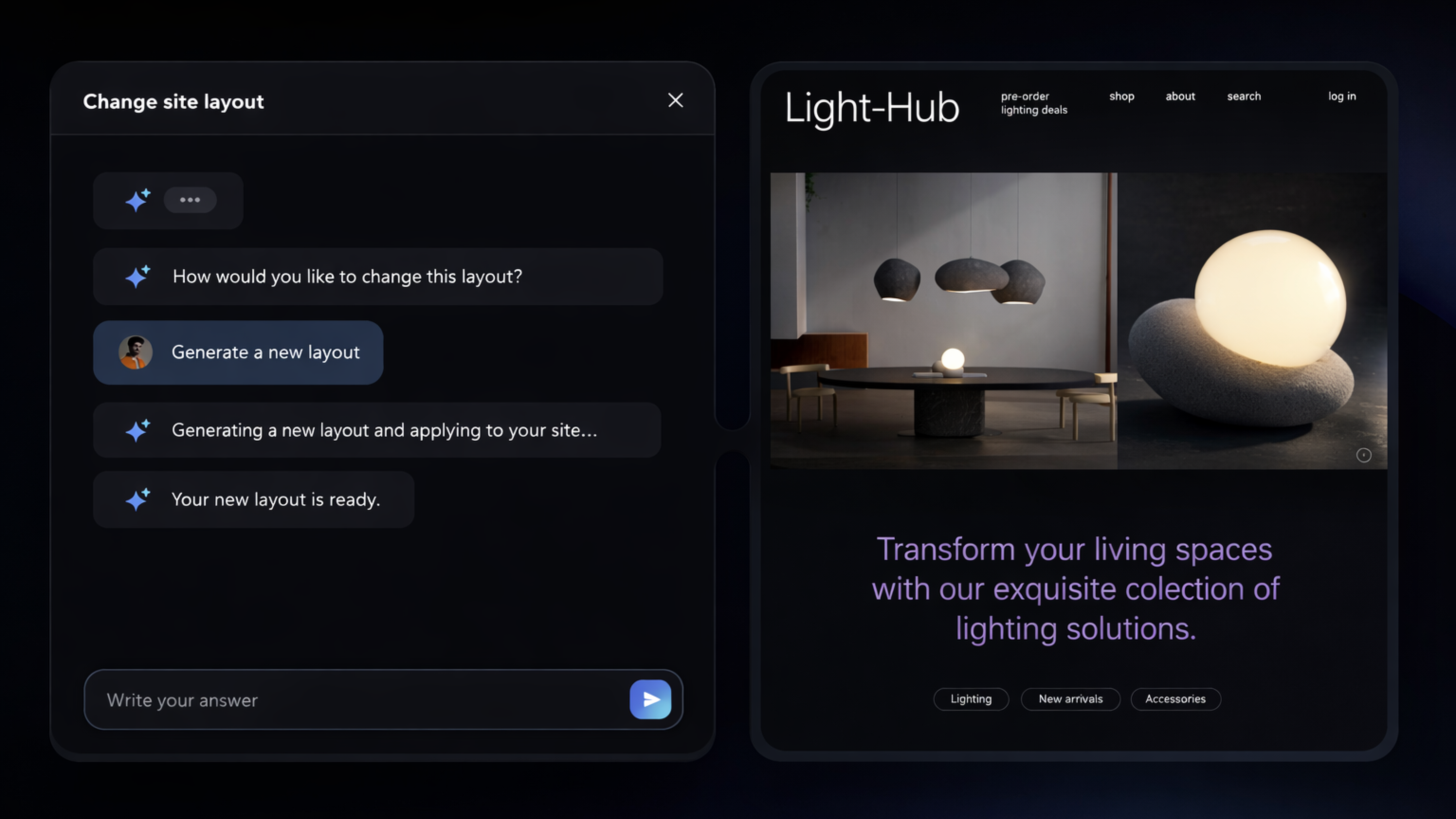
ai improves personalization but increases design complexity
ai improves personalization but increases design complexity
One of the biggest impacts of AI on user experience is personalization. From recommendation systems to predictive search and smart dashboards, AI enhances usability by anticipating user needs.
However, personalization increases design complexity. Designers must create layouts that handle different content variations without breaking consistency. Edge cases multiply. States increase. Interaction patterns become more layered.
Good UI/UX design in AI-driven products requires clarity, strong hierarchy, and clear feedback systems so users understand what the system is doing and why.
Transparency becomes a design responsibility.
One of the biggest impacts of AI on user experience is personalization. From recommendation systems to predictive search and smart dashboards, AI enhances usability by anticipating user needs.
However, personalization increases design complexity. Designers must create layouts that handle different content variations without breaking consistency. Edge cases multiply. States increase. Interaction patterns become more layered.
Good UI/UX design in AI-driven products requires clarity, strong hierarchy, and clear feedback systems so users understand what the system is doing and why.
Transparency becomes a design responsibility.
the future of ui ux design in an ai-driven world
the future of ui ux design in an ai-driven world
AI does not replace UI/UX designers. Instead, it changes the problems designers solve. The focus shifts from drawing static screens to designing intelligent systems, conversational interfaces, and adaptable user experiences.
Designers must think beyond visuals and consider behavior logic, system feedback, and ethical implications of automation. Clear microcopy, explainable AI elements, and trust-building interface decisions become essential.
As AI continues to influence digital products, UI/UX designers who understand both usability principles and system thinking will be better positioned to design meaningful, responsible, and scalable experiences.
AI does not replace UI/UX designers. Instead, it changes the problems designers solve. The focus shifts from drawing static screens to designing intelligent systems, conversational interfaces, and adaptable user experiences.
Designers must think beyond visuals and consider behavior logic, system feedback, and ethical implications of automation. Clear microcopy, explainable AI elements, and trust-building interface decisions become essential.
As AI continues to influence digital products, UI/UX designers who understand both usability principles and system thinking will be better positioned to design meaningful, responsible, and scalable experiences.
More Blogs More Blogs

What Recruiters Actually Look for in UI/UX Designers in 2026
What Recruiters Actually Look for in UI/UX Designers in 2026

How to Build a UI/UX Case Study on Behance That Gets You Noticed
How to Build a UI/UX Case Study on Behance That Gets You Noticed

Why Most UI/UX Portfolios Fail And What Actually Gets You Hired
Why Most UI/UX Portfolios Fail And What Actually Gets You Hired