Author: Sriraj Mohan
UI/UX Designer
UI Design vs UX Design: What Most People Get Wrong
UI Design vs UX Design: What Most People Get Wrong
UI Design vs UX Design: What Most People Get Wrong
UI design and UX design are often confused or used interchangeably, even though they solve different problems. This article explains the real difference between UI and UX design, how they work together in modern products, and why misunderstanding them leads to poor interfaces and user experiences.
UI design and UX design are often confused or used interchangeably, even though they solve different problems. This article explains the real difference between UI and UX design, how they work together in modern products, and why misunderstanding them leads to poor interfaces and user experiences.
UI design and UX design are often confused or used interchangeably, even though they solve different problems. This article explains the real difference between UI and UX design, how they work together in modern products, and why misunderstanding them leads to poor interfaces and user experiences.
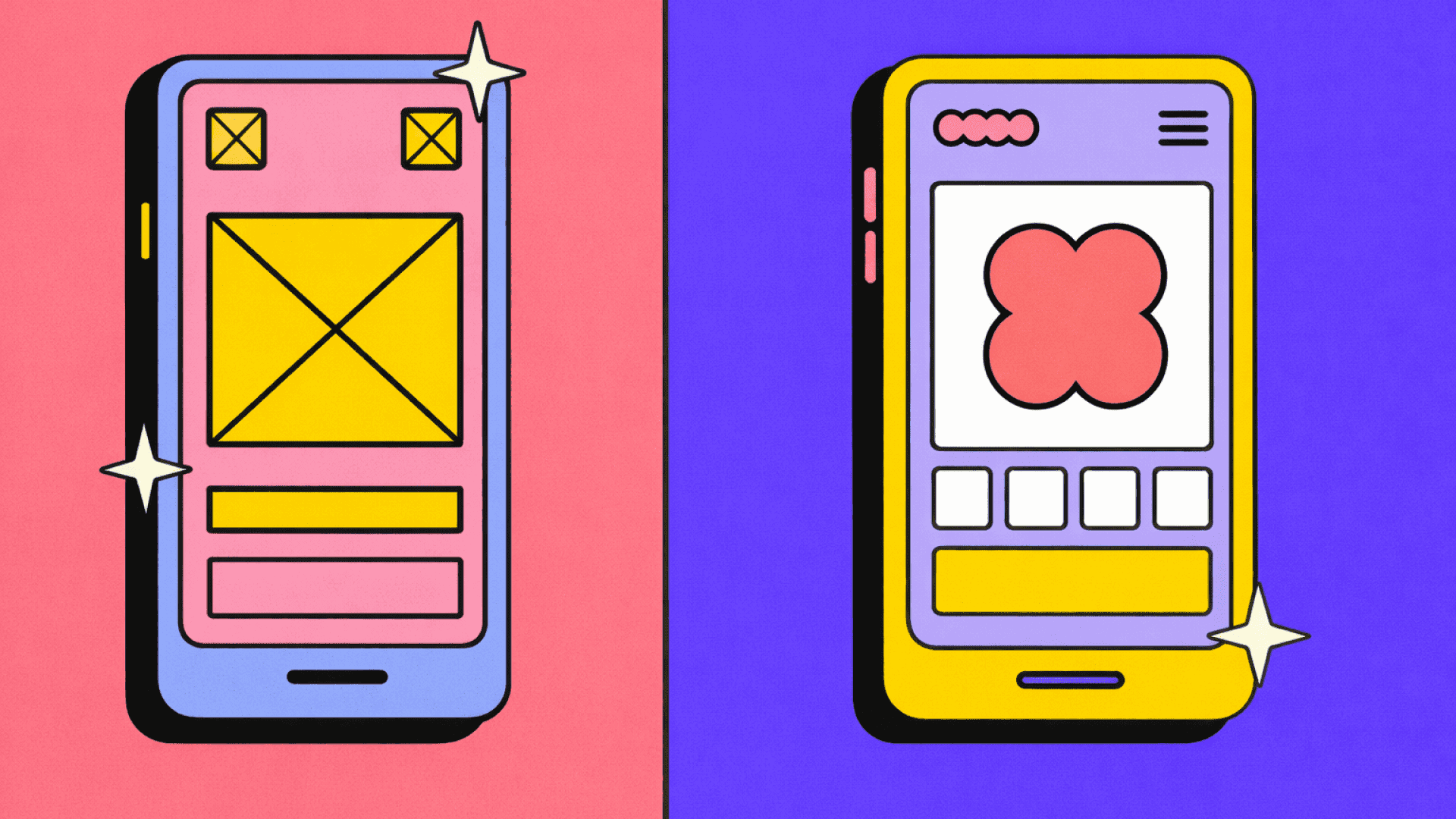
ui design and ux design are not the same thing
ui design and ux design are not the same thing
UI design and UX design serve different purposes, even though they are closely connected. UI design focuses on how an interface looks and behaves, while UX design focuses on how a user experiences a product as a whole. Confusing the two often results in interfaces that look good but feel difficult to use.
UX design is concerned with understanding user needs, defining flows, and reducing friction across journeys. It answers questions about why users behave a certain way and how a product should respond. UI design translates those decisions into visible layouts, components, and interactions that users actually see and touch.
When UI design is created without strong UX thinking, interfaces may look polished but fail to guide users properly. When UX is strong but UI execution is weak, users may understand the product but struggle to interact with it efficiently.
UI design and UX design serve different purposes, even though they are closely connected. UI design focuses on how an interface looks and behaves, while UX design focuses on how a user experiences a product as a whole. Confusing the two often results in interfaces that look good but feel difficult to use.
UX design is concerned with understanding user needs, defining flows, and reducing friction across journeys. It answers questions about why users behave a certain way and how a product should respond. UI design translates those decisions into visible layouts, components, and interactions that users actually see and touch.
When UI design is created without strong UX thinking, interfaces may look polished but fail to guide users properly. When UX is strong but UI execution is weak, users may understand the product but struggle to interact with it efficiently.
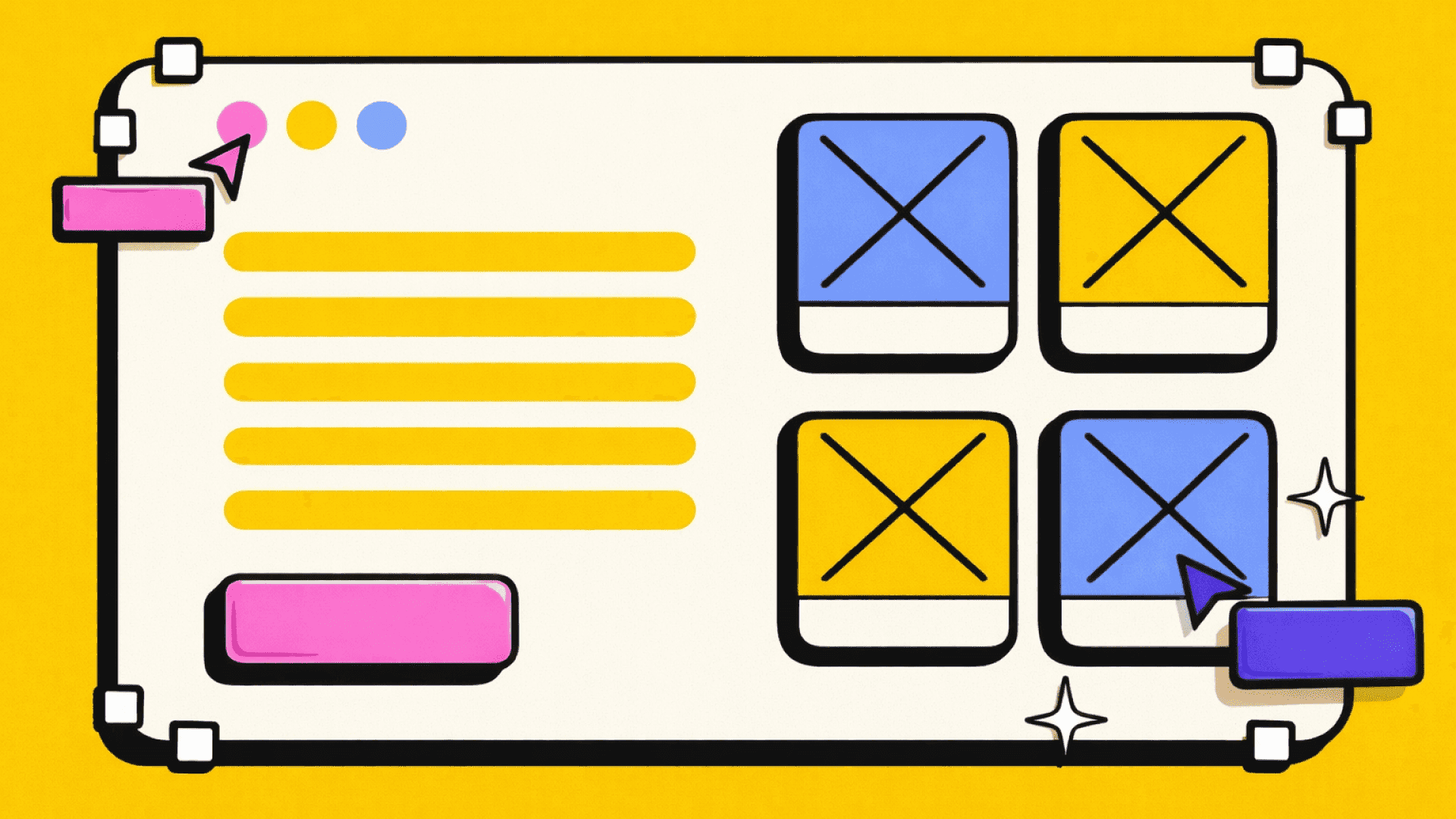
why good ui depends on strong ux thinking
why good ui depends on strong ux thinking
Good UI design does not start in Figma. It starts with UX decisions. UX design defines structure, priorities, and intent before any visual layer is applied. These decisions influence layout hierarchy, spacing, and interaction patterns in UI design.
UX thinking helps determine what content belongs on a screen, what actions matter most, and what can be removed. UI design then focuses on presenting those decisions clearly through typography, layout, and components. Without UX clarity, UI design becomes guesswork.
Strong UX thinking ensures that UI elements exist for a reason. Buttons feel intentional, screens feel focused, and interactions feel predictable. This relationship is what separates usable products from visually impressive but confusing interfaces.
Good UI design does not start in Figma. It starts with UX decisions. UX design defines structure, priorities, and intent before any visual layer is applied. These decisions influence layout hierarchy, spacing, and interaction patterns in UI design.
UX thinking helps determine what content belongs on a screen, what actions matter most, and what can be removed. UI design then focuses on presenting those decisions clearly through typography, layout, and components. Without UX clarity, UI design becomes guesswork.
Strong UX thinking ensures that UI elements exist for a reason. Buttons feel intentional, screens feel focused, and interactions feel predictable. This relationship is what separates usable products from visually impressive but confusing interfaces.
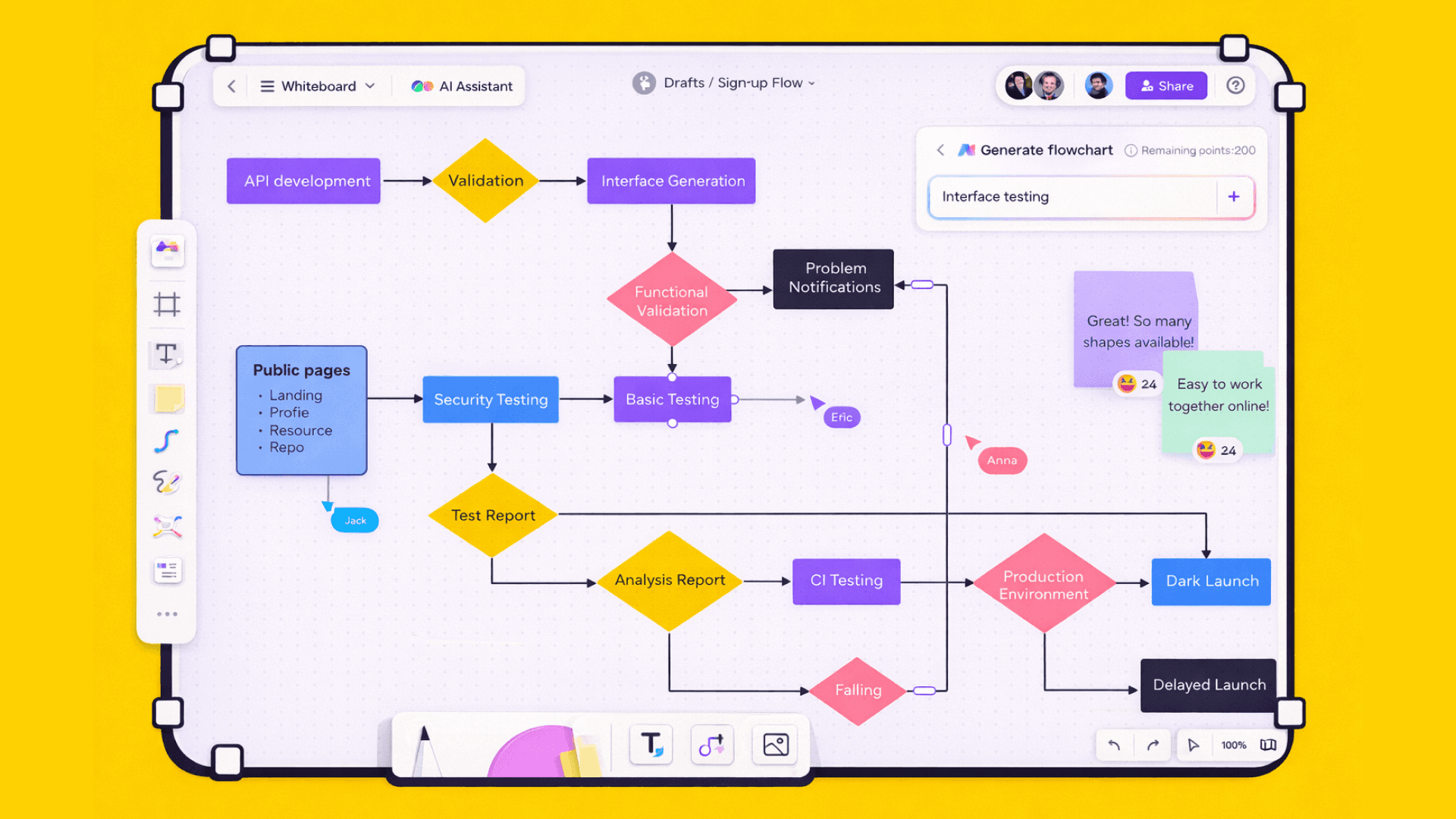
how ui and ux work together in real products
how ui and ux work together in real products
In real products, UI and UX are not separate steps. They work together continuously. UX defines user flows, edge cases, and success states, while UI ensures those flows are easy to understand and interact with.
As products evolve, UI design adapts to UX changes. New features, constraints, and user behaviors require interfaces to remain flexible and consistent. Design systems and reusable components help maintain alignment between UI and UX as products scale.
When UI and UX work together, users rarely think about the design. Tasks feel smooth, decisions feel obvious, and products feel reliable. This alignment is what creates experiences that users trust and return to.
In real products, UI and UX are not separate steps. They work together continuously. UX defines user flows, edge cases, and success states, while UI ensures those flows are easy to understand and interact with.
As products evolve, UI design adapts to UX changes. New features, constraints, and user behaviors require interfaces to remain flexible and consistent. Design systems and reusable components help maintain alignment between UI and UX as products scale.
When UI and UX work together, users rarely think about the design. Tasks feel smooth, decisions feel obvious, and products feel reliable. This alignment is what creates experiences that users trust and return to.
More Blogs More Blogs

What Recruiters Actually Look for in UI/UX Designers in 2026
What Recruiters Actually Look for in UI/UX Designers in 2026
How to Build a UI/UX Case Study on Behance That Gets You Noticed
How to Build a UI/UX Case Study on Behance That Gets You Noticed
Why Most UI/UX Portfolios Fail And What Actually Gets You Hired
Why Most UI/UX Portfolios Fail And What Actually Gets You Hired