Author: Sriraj Mohan
UI/UX Designer
Why Design Systems Matter and How They Improve UI Design at Scale
Why Design Systems Matter and How They Improve UI Design at Scale
Why Design Systems Matter and How They Improve UI Design at Scale
Design systems play a crucial role in modern UI design by creating consistency, scalability, and usability across digital products. This article explains why design systems matter, how they support UI design at scale, and why teams without design systems often struggle as products grow.
Design systems play a crucial role in modern UI design by creating consistency, scalability, and usability across digital products. This article explains why design systems matter, how they support UI design at scale, and why teams without design systems often struggle as products grow.
Design systems play a crucial role in modern UI design by creating consistency, scalability, and usability across digital products. This article explains why design systems matter, how they support UI design at scale, and why teams without design systems often struggle as products grow.

what is a design system in ui design
what is a design system in ui design
A design system is a collection of reusable components, layout rules, typography styles, color guidelines, and interaction patterns used across a product. In UI design, design systems ensure that interfaces remain consistent as new screens and features are added.
Design systems go beyond visual style. They define how elements behave, how spacing is applied, and how components adapt across different contexts. Instead of redesigning the same elements repeatedly, designers and teams rely on shared rules that guide interface decisions.
In modern UI design, design systems are essential for building products that feel coherent, predictable, and easy to use.
A design system is a collection of reusable components, layout rules, typography styles, color guidelines, and interaction patterns used across a product. In UI design, design systems ensure that interfaces remain consistent as new screens and features are added.
Design systems go beyond visual style. They define how elements behave, how spacing is applied, and how components adapt across different contexts. Instead of redesigning the same elements repeatedly, designers and teams rely on shared rules that guide interface decisions.
In modern UI design, design systems are essential for building products that feel coherent, predictable, and easy to use.
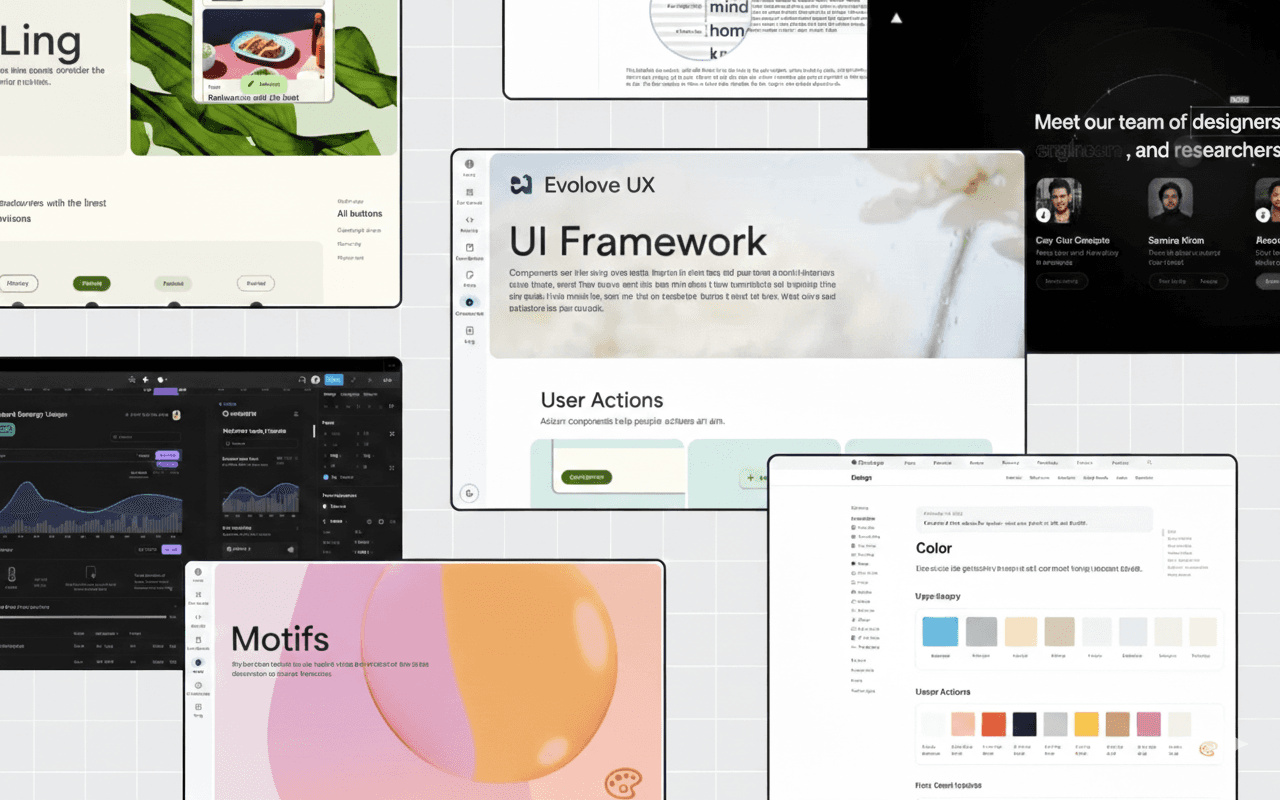
why products without design systems fail to scale
why products without design systems fail to scale
Products without design systems often face consistency issues as they grow. Interfaces begin to look fragmented, spacing becomes inconsistent, and similar components behave differently across screens. This creates confusion for users and slows down design and development teams.
Without a design system, UI design becomes reactive instead of structured. Designers spend time fixing inconsistencies instead of improving usability. Users experience interfaces that feel unreliable and harder to navigate.
Design systems solve this by providing a single source of truth. They reduce friction, improve efficiency, and help teams maintain quality as products evolve.
Products without design systems often face consistency issues as they grow. Interfaces begin to look fragmented, spacing becomes inconsistent, and similar components behave differently across screens. This creates confusion for users and slows down design and development teams.
Without a design system, UI design becomes reactive instead of structured. Designers spend time fixing inconsistencies instead of improving usability. Users experience interfaces that feel unreliable and harder to navigate.
Design systems solve this by providing a single source of truth. They reduce friction, improve efficiency, and help teams maintain quality as products evolve.
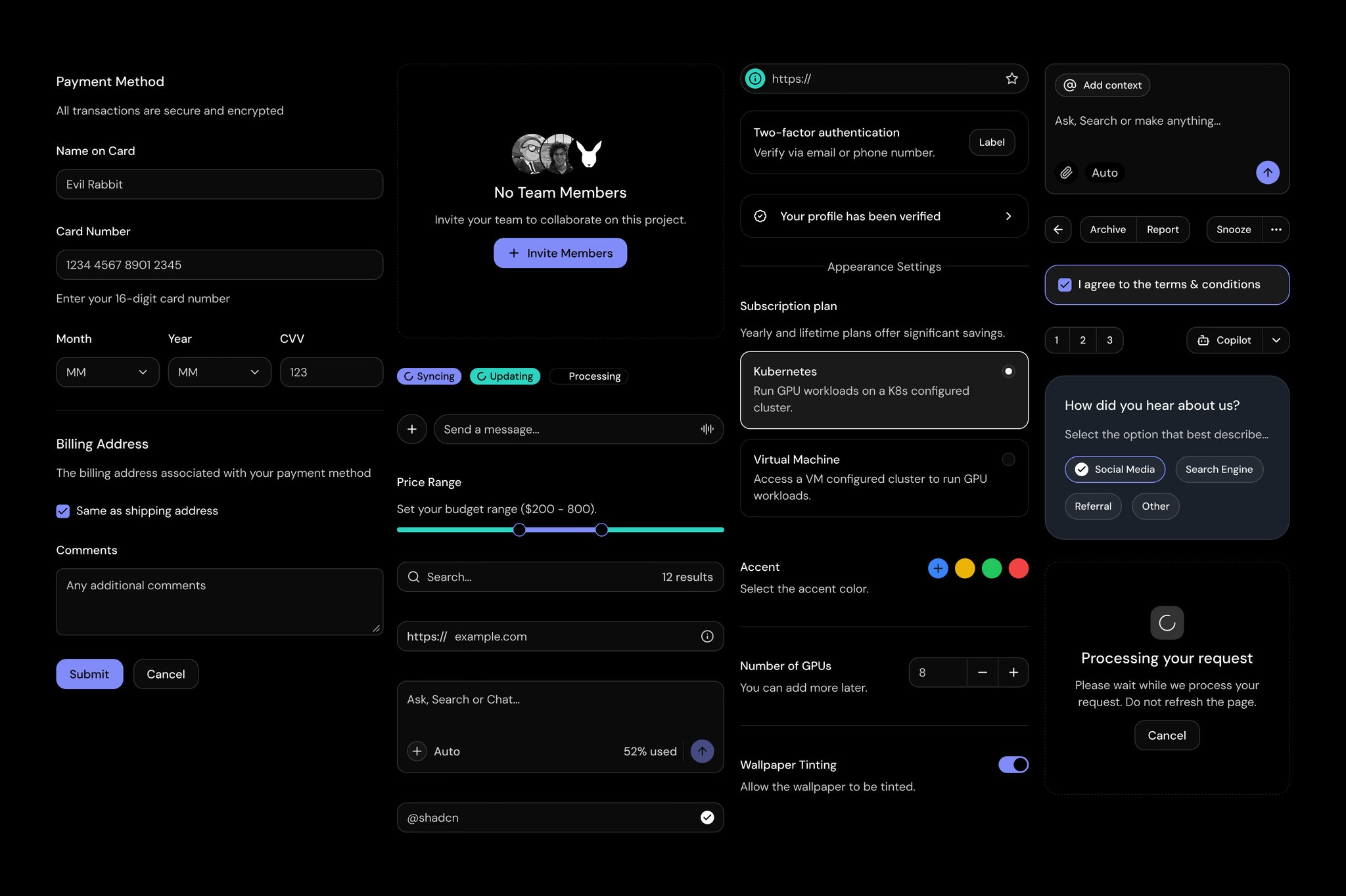
how design systems improve usability and user experience
how design systems improve usability and user experience
Design systems improve usability by creating familiarity. When users encounter consistent layouts, components, and interaction patterns, they learn how the product works faster. Familiarity reduces cognitive load and increases user confidence.
From a UI design perspective, design systems make interfaces easier to understand and easier to maintain. Components behave predictably, layouts adapt correctly, and changes can be made without breaking the overall experience.
Strong design systems support long term user experience by ensuring that UI decisions remain intentional, consistent, and scalable across the entire product.
Design systems improve usability by creating familiarity. When users encounter consistent layouts, components, and interaction patterns, they learn how the product works faster. Familiarity reduces cognitive load and increases user confidence.
From a UI design perspective, design systems make interfaces easier to understand and easier to maintain. Components behave predictably, layouts adapt correctly, and changes can be made without breaking the overall experience.
Strong design systems support long term user experience by ensuring that UI decisions remain intentional, consistent, and scalable across the entire product.
More Blogs More Blogs

What Recruiters Actually Look for in UI/UX Designers in 2026
What Recruiters Actually Look for in UI/UX Designers in 2026

How to Build a UI/UX Case Study on Behance That Gets You Noticed
How to Build a UI/UX Case Study on Behance That Gets You Noticed

Why Most UI/UX Portfolios Fail And What Actually Gets You Hired
Why Most UI/UX Portfolios Fail And What Actually Gets You Hired