Author: Sriraj Mohan
UI/UX Designer
Will AI Replace UI/UX Designers? A Realistic Perspective in 2026
Will AI Replace UI/UX Designers? A Realistic Perspective in 2026
Will AI Replace UI/UX Designers? A Realistic Perspective in 2026
With the rapid growth of generative AI tools like Claude MCP and AI-driven design agents such as OpenClaw, many professionals are asking whether artificial intelligence will replace UI/UX designers. This article explores the real impact of AI on user interface and user experience design, separating hype from reality and explaining what the future holds for designers in an AI-powered product landscape.
With the rapid growth of generative AI tools like Claude MCP and AI-driven design agents such as OpenClaw, many professionals are asking whether artificial intelligence will replace UI/UX designers. This article explores the real impact of AI on user interface and user experience design, separating hype from reality and explaining what the future holds for designers in an AI-powered product landscape.
With the rapid growth of generative AI tools like Claude MCP and AI-driven design agents such as OpenClaw, many professionals are asking whether artificial intelligence will replace UI/UX designers. This article explores the real impact of AI on user interface and user experience design, separating hype from reality and explaining what the future holds for designers in an AI-powered product landscape.

why people believe ai will replace ui ux designers
why people believe ai will replace ui ux designers
The rise of generative AI tools has dramatically changed how digital products are created. Platforms powered by large language models can now generate interface layouts, suggest color systems, write microcopy, and convert text prompts into structured UI components within seconds.
Tools like Claude MCP demonstrate how quickly design systems can be generated from structured prompts. Designers can define spacing rules, typography scales, color tokens, and reusable component logic almost instantly. What previously required hours of manual setup can now be structured in minutes through AI-assisted workflows.
This speed creates a strong perception that artificial intelligence can independently replace UI/UX designers.
However, automation of structure is not the same as understanding user behavior, product goals, or contextual usability decisions. AI accelerates output, but it does not independently define why a product should function a certain way.
The belief that AI will replace designers often comes from confusing production speed with strategic design thinking.
The rise of generative AI tools has dramatically changed how digital products are created. Platforms powered by large language models can now generate interface layouts, suggest color systems, write microcopy, and convert text prompts into structured UI components within seconds.
Tools like Claude MCP demonstrate how quickly design systems can be generated from structured prompts. Designers can define spacing rules, typography scales, color tokens, and reusable component logic almost instantly. What previously required hours of manual setup can now be structured in minutes through AI-assisted workflows.
This speed creates a strong perception that artificial intelligence can independently replace UI/UX designers.
However, automation of structure is not the same as understanding user behavior, product goals, or contextual usability decisions. AI accelerates output, but it does not independently define why a product should function a certain way.
The belief that AI will replace designers often comes from confusing production speed with strategic design thinking.
what ai tools like claude mcp and openclaw actually change in ui ux design
what ai tools like claude mcp and openclaw actually change in ui ux design
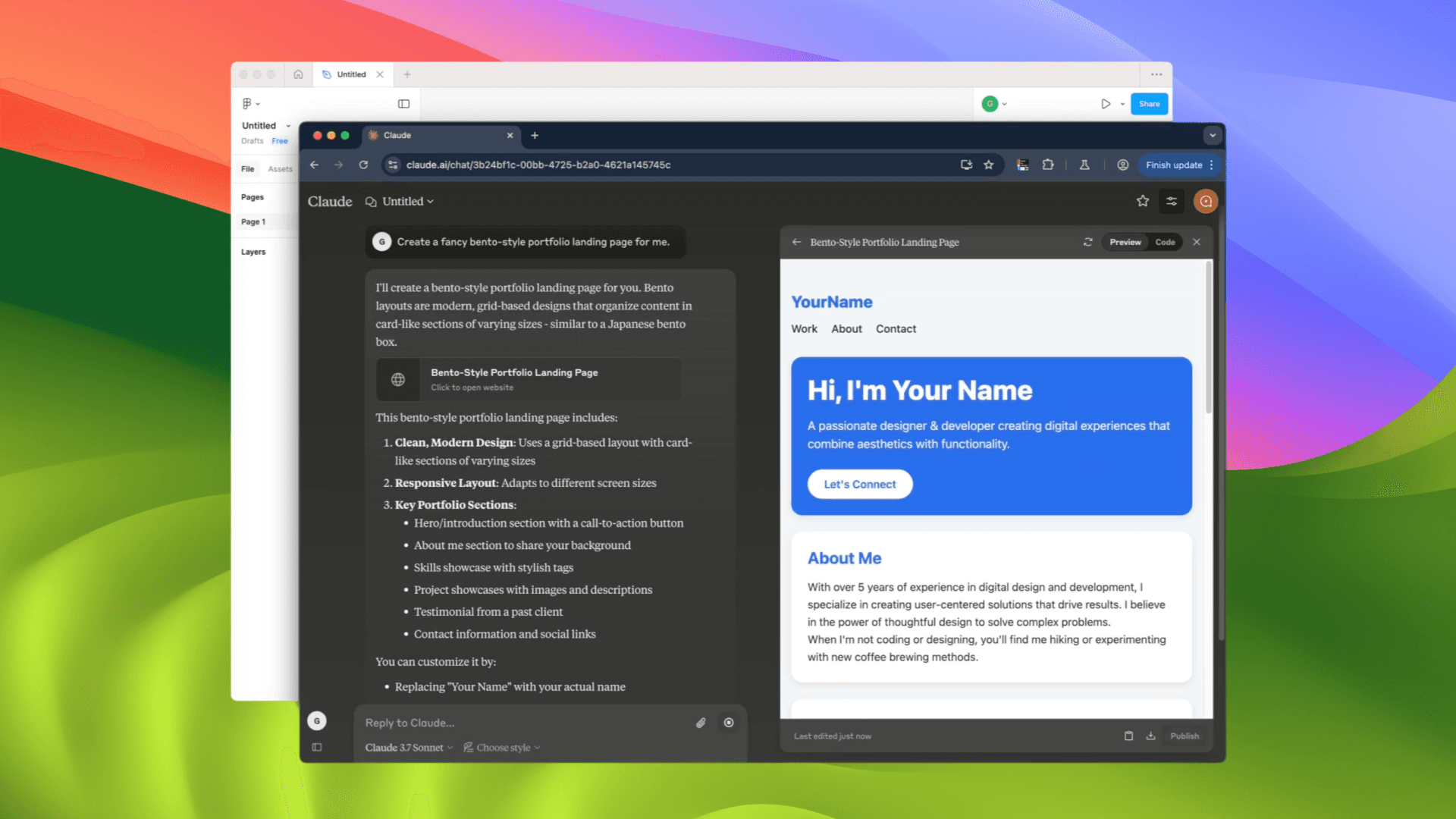
AI tools are reshaping the workflow of modern UI/UX design rather than eliminating the role of the designer.
Claude MCP can generate structured design systems rapidly. By defining layout logic and design tokens programmatically, designers can build scalable systems with consistent spacing, component rules, and typography patterns without manually constructing every element.
Similarly, AI agents such as OpenClaw introduce autonomous interaction capabilities, where systems can execute defined tasks and respond to dynamic inputs. While OpenClaw is more associated with AI agent execution frameworks, its logic-based approach reflects a broader shift in digital product design: interfaces are becoming more intelligent, responsive, and behavior-driven.
These tools reduce repetitive work, accelerate prototyping, and improve iteration cycles.
However, they still depend on human direction.
AI can generate components, but designers decide hierarchy.
AI can propose layouts, but designers define usability logic.
AI can automate structure, but designers shape the experience.
AI tools are reshaping the workflow of modern UI/UX design rather than eliminating the role of the designer.
Claude MCP can generate structured design systems rapidly. By defining layout logic and design tokens programmatically, designers can build scalable systems with consistent spacing, component rules, and typography patterns without manually constructing every element.
Similarly, AI agents such as OpenClaw introduce autonomous interaction capabilities, where systems can execute defined tasks and respond to dynamic inputs. While OpenClaw is more associated with AI agent execution frameworks, its logic-based approach reflects a broader shift in digital product design: interfaces are becoming more intelligent, responsive, and behavior-driven.
These tools reduce repetitive work, accelerate prototyping, and improve iteration cycles.
However, they still depend on human direction.
AI can generate components, but designers decide hierarchy.
AI can propose layouts, but designers define usability logic.
AI can automate structure, but designers shape the experience.
the future of ui ux designers in an ai-driven product ecosystem
the future of ui ux designers in an ai-driven product ecosystem
Rather than replacing UI/UX designers, AI is reshaping the responsibilities of the profession. The role is shifting from pixel-level execution toward system-level thinking, user psychology, and strategic experience design.
As tools like Claude MCP simplify design system creation and AI agents like OpenClaw automate certain processes, designers must focus more on clarity, transparency, and ethical interface decisions.
The future of UI/UX design lies in combining:
strong usability principles
scalable design systems
AI-assisted productivity
human-centered judgment
Artificial intelligence can structure systems rapidly, but it cannot fully understand emotion, trust, accessibility nuance, or cultural context.
UI/UX designers who learn to leverage AI tools while maintaining design fundamentals will remain essential in building meaningful digital products.
AI is transforming design workflows.
It is not replacing design thinking.
Rather than replacing UI/UX designers, AI is reshaping the responsibilities of the profession. The role is shifting from pixel-level execution toward system-level thinking, user psychology, and strategic experience design.
As tools like Claude MCP simplify design system creation and AI agents like OpenClaw automate certain processes, designers must focus more on clarity, transparency, and ethical interface decisions.
The future of UI/UX design lies in combining:
strong usability principles
scalable design systems
AI-assisted productivity
human-centered judgment
Artificial intelligence can structure systems rapidly, but it cannot fully understand emotion, trust, accessibility nuance, or cultural context.
UI/UX designers who learn to leverage AI tools while maintaining design fundamentals will remain essential in building meaningful digital products.
AI is transforming design workflows.
It is not replacing design thinking.
More Blogs More Blogs

What Recruiters Actually Look for in UI/UX Designers in 2026
What Recruiters Actually Look for in UI/UX Designers in 2026

How to Build a UI/UX Case Study on Behance That Gets You Noticed
How to Build a UI/UX Case Study on Behance That Gets You Noticed
Why Most UI/UX Portfolios Fail And What Actually Gets You Hired
Why Most UI/UX Portfolios Fail And What Actually Gets You Hired